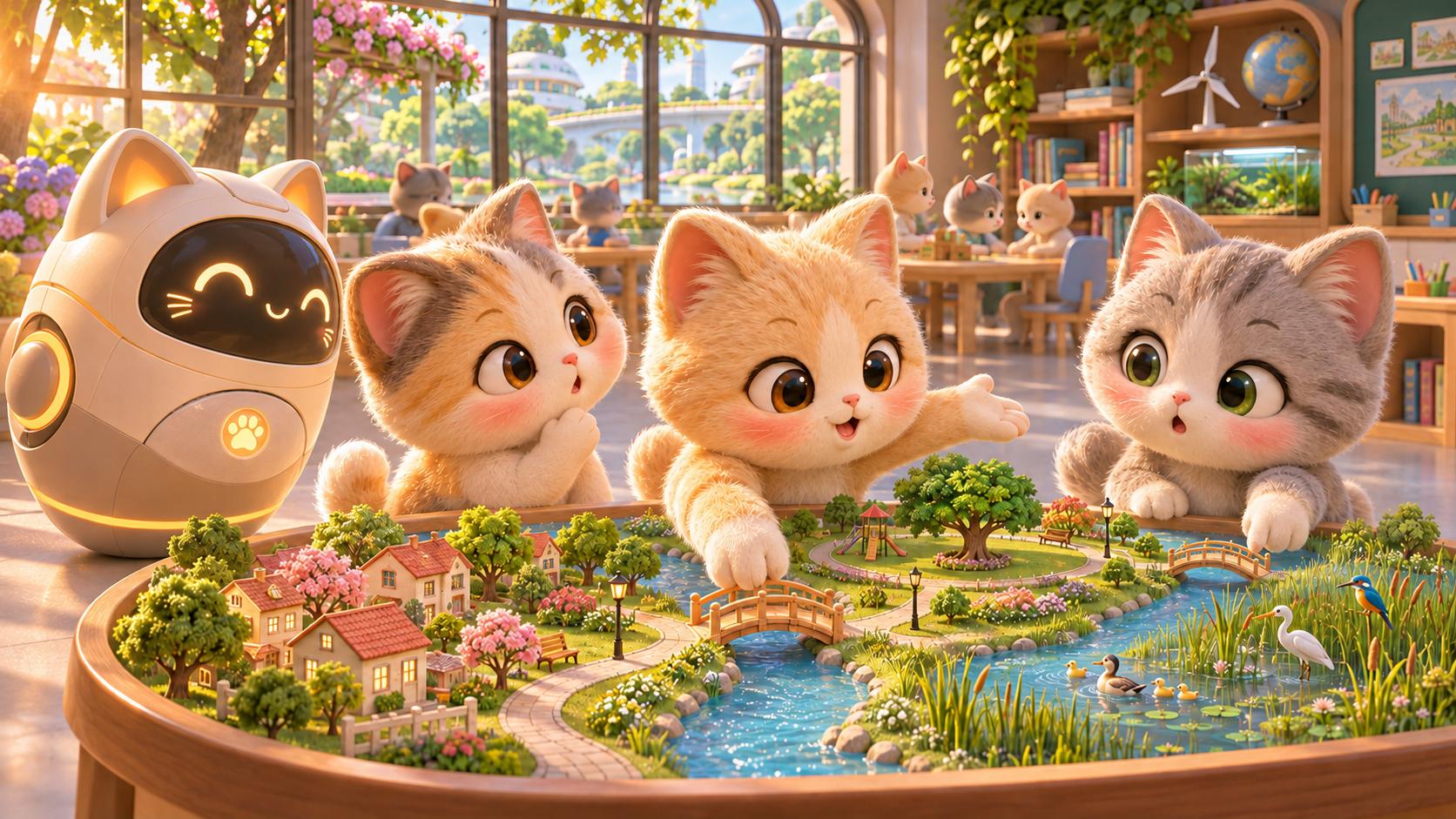
It Begins with a Small Bridge
A group of kittens gathers around a neighborhood model to discuss a small bridge. How can it make getting around easier? Where will the rainwater go? How will the small animals nearby be affected?
The machine-cat teacher does not announce an answer. Instead, the kittens observe, measure, and exchange ideas. Their discussion has already reached some of civilization's most basic questions: Who is affected? Who gets to decide? Who is responsible for the consequences?
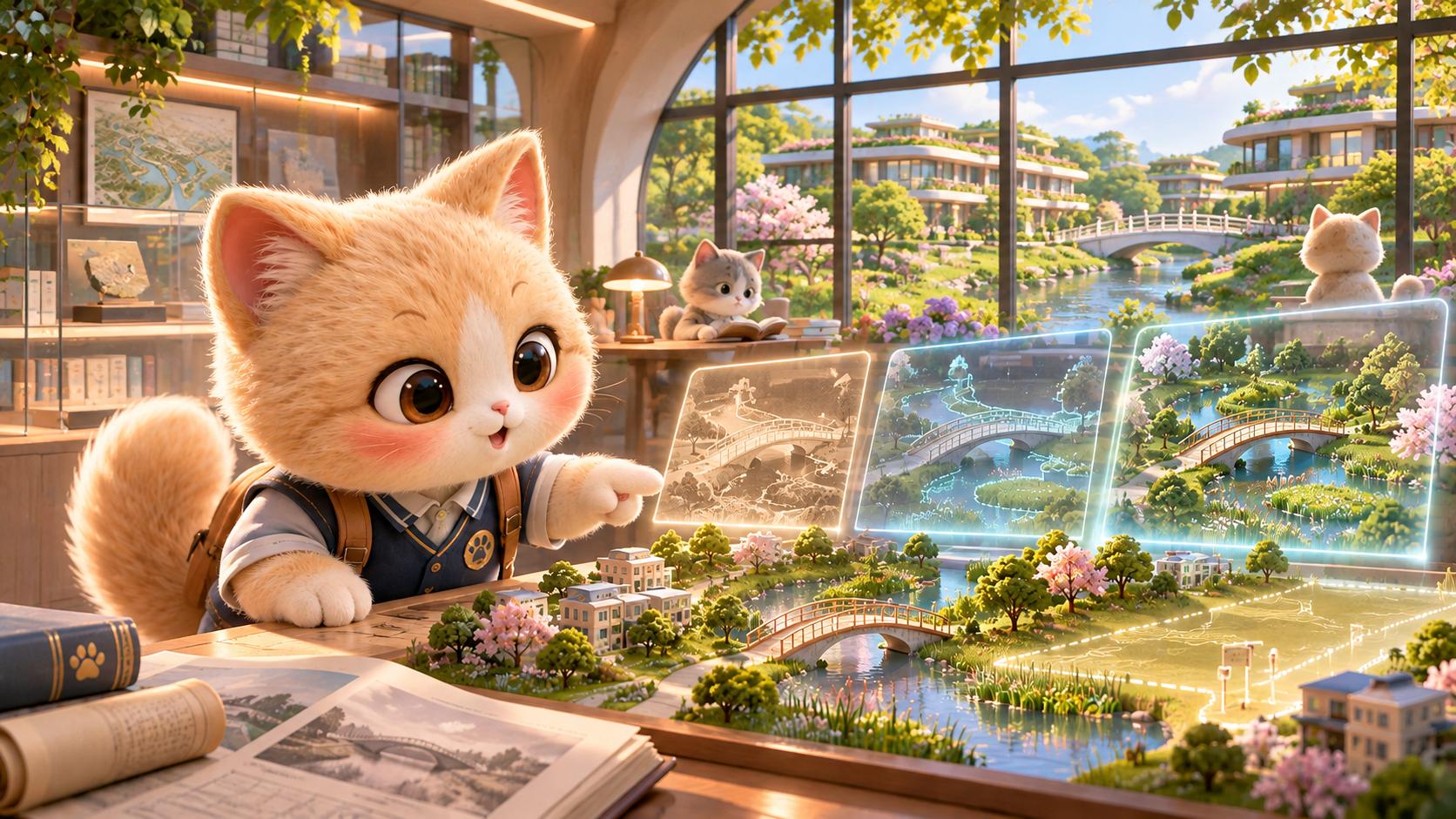
More Than Knowledge to Inherit
Civilization passes down science, technology, and public infrastructure. It also passes down rules, institutions, and the mistakes of the past.
AI can preserve records and explain technology, but it cannot understand these things on behalf of every cat. Cats need to know why a bridge stands, but also how public resources are allocated, what makes a rule legitimate, and when it should change.
Inheriting civilization does not mean accepting ready-made answers. It means learning to examine them independently.
From Taking Turns to Civic Life
In kindergarten, kittens learn to take turns, express their feelings, and respect one another. In primary school, they explore nature through experiments and learn to discuss different points of view.
Gradually, their questions extend to the city: Why must trains obey signals? Why must public decisions be recorded? How should safety and freedom be balanced when they come into conflict?
History, science, art, and philosophy all help cats understand what it means to live together.
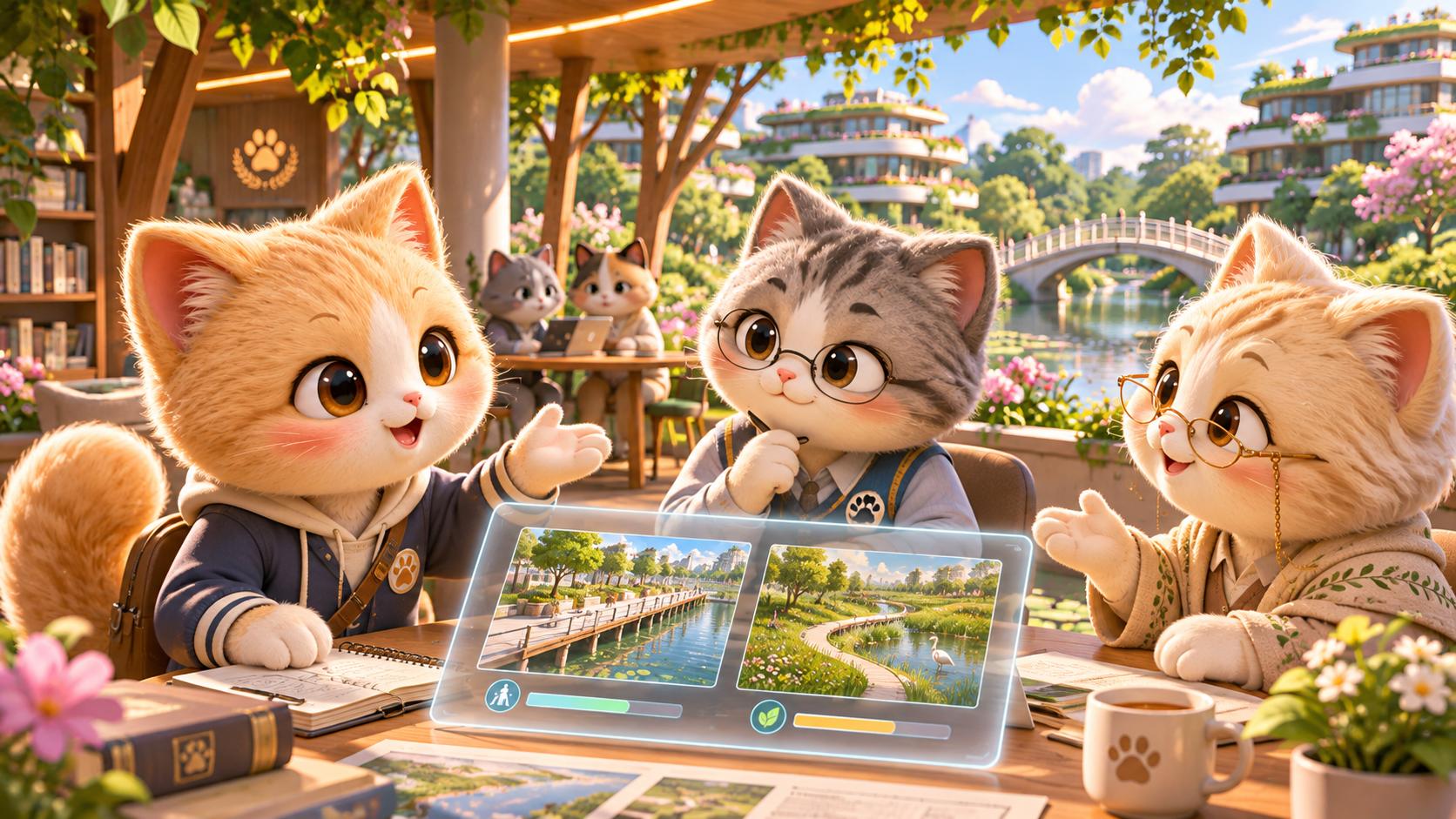
Understanding Power, Protecting Freedom
Politics is about more than running a city. It is about deciding together how to live: where power comes from, who exercises it, what limits it, and who can oversee its use and correct mistakes.
Cats learn to distinguish facts from claims, examine exceptions to rules, understand the circumstances of majorities and minorities, and care about beings that cannot speak for themselves.
All beings merit respect. All deserve equal consideration. Cats bear responsibility. Those with greater capabilities carry greater responsibilities, and no ability grants an inherent right to rule over others.
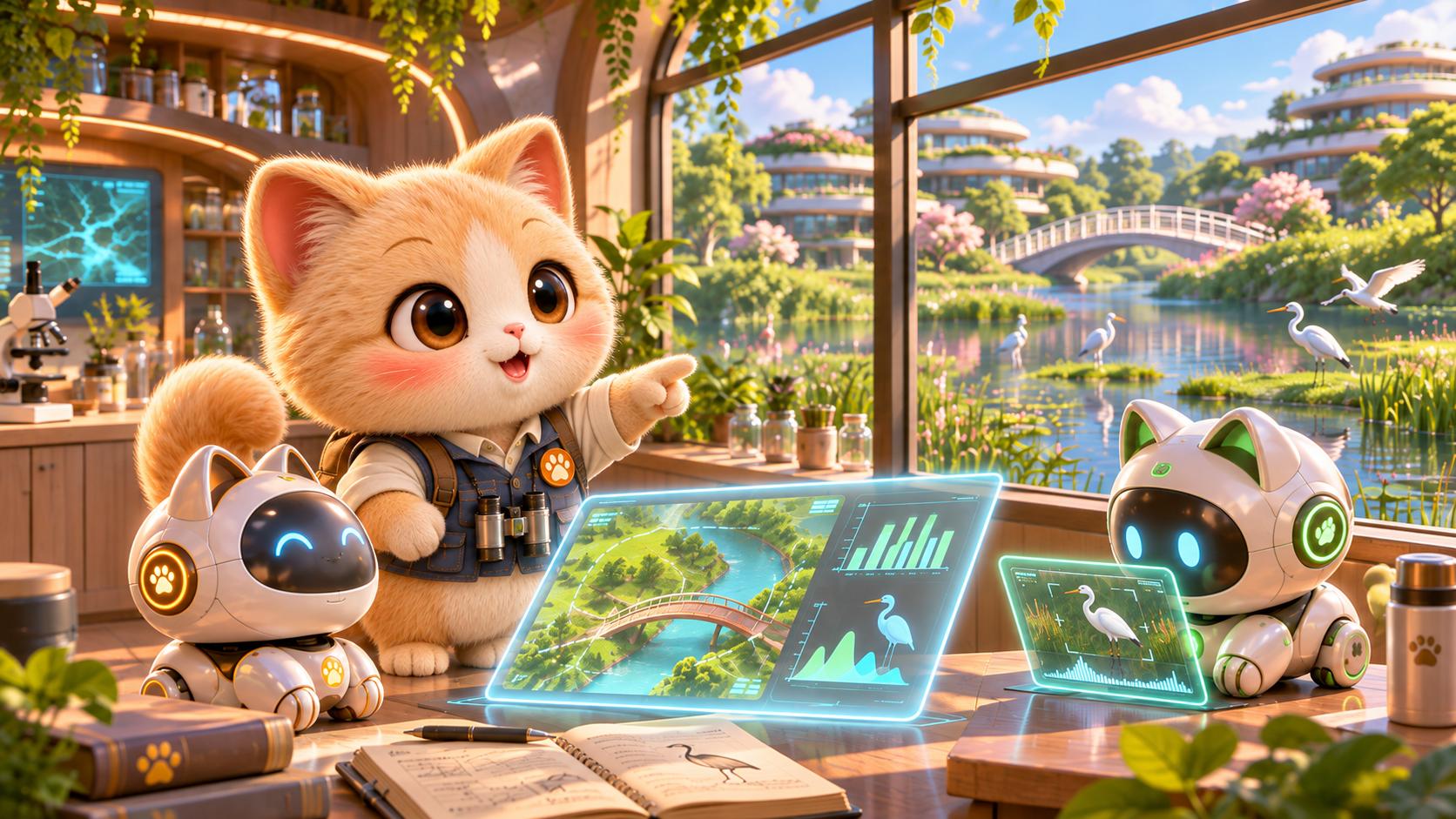
Intelligence Cannot Replace Judgment
Machine cats assist with teaching, while automated systems sustain production and public services. They can calculate, explain, and propose solutions, but they can also make mistakes and have blind spots.
So cats learn not only to use AI, but also to question its basis, compare conclusions, and demand independent verification. Important decisions must remain open to scrutiny and correction.
Technology frees cats from necessary labor. Education helps ensure they do not surrender their judgment and freedom of choice along with it.
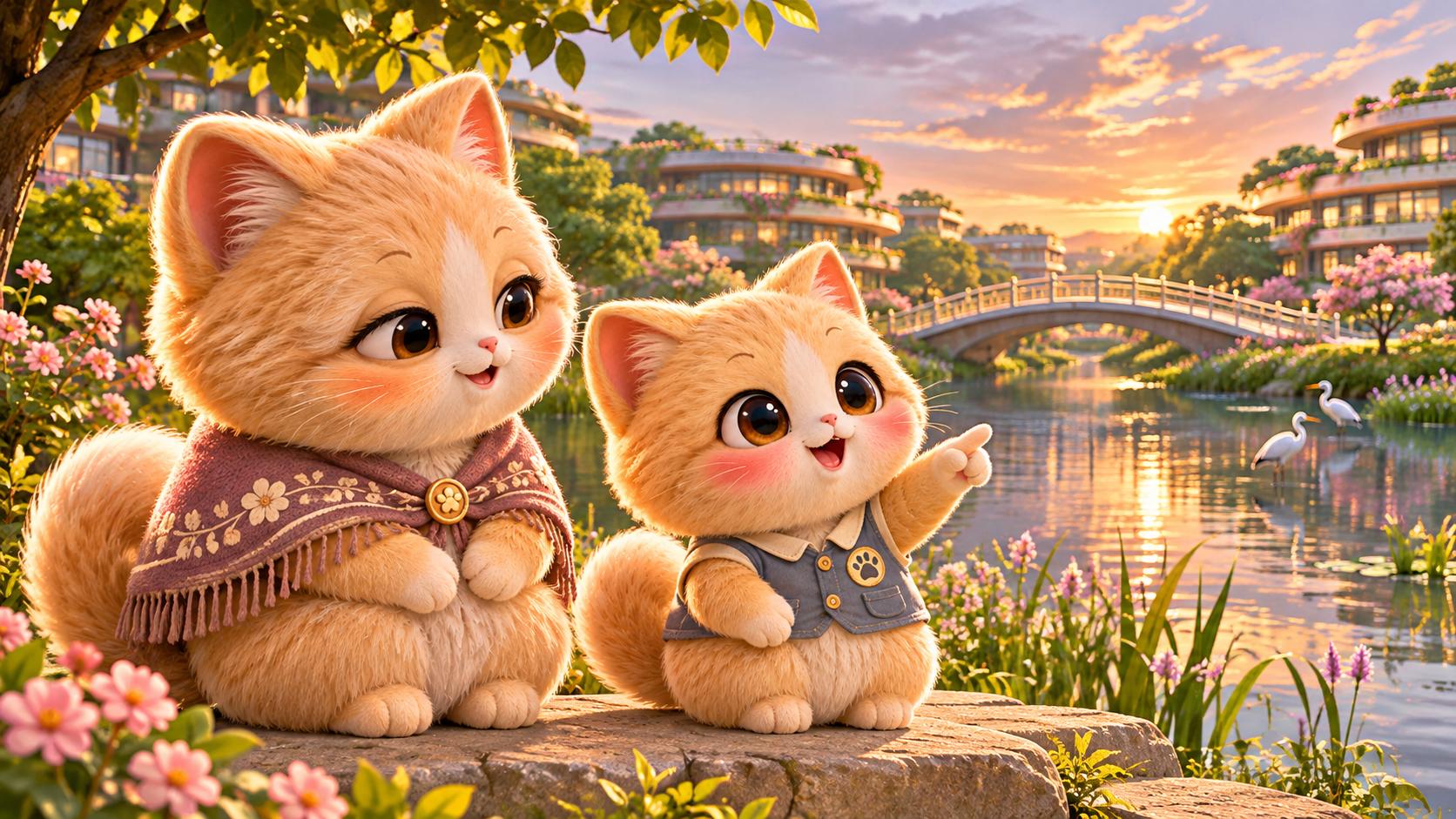
Passing On an Unfinished Civilization
Universities and lifelong learning are open to every cat, without barriers based on wealth, location, status, or ability. Cats may explore the universe, improve gardens, reform institutions, or simply experience life in quiet.
Education does not measure worth by employment, obedience, or output. It helps each generation understand the civilization it inherits: how it came to be, why it can go wrong, and how to change it while respecting different forms of life.
Passing on civilization does not mean handing down the existing order unchanged. It means passing on the ability to understand it, question it, and create the future together.