Civilization Museum · 04
Medicine, Care & Public Health
From preventing disease to improving care, surgery, and treatment, this wall follows how cats gradually made medicine safer, more reliable, and more attentive to patients themselves.
Prevention & Public Health

Jenner Cat
Jenner Cat showed that medicine need not only respond after illness appears; it can protect in advance. Through cowpox inoculation, he helped cats see that the body can learn to defend itself first.
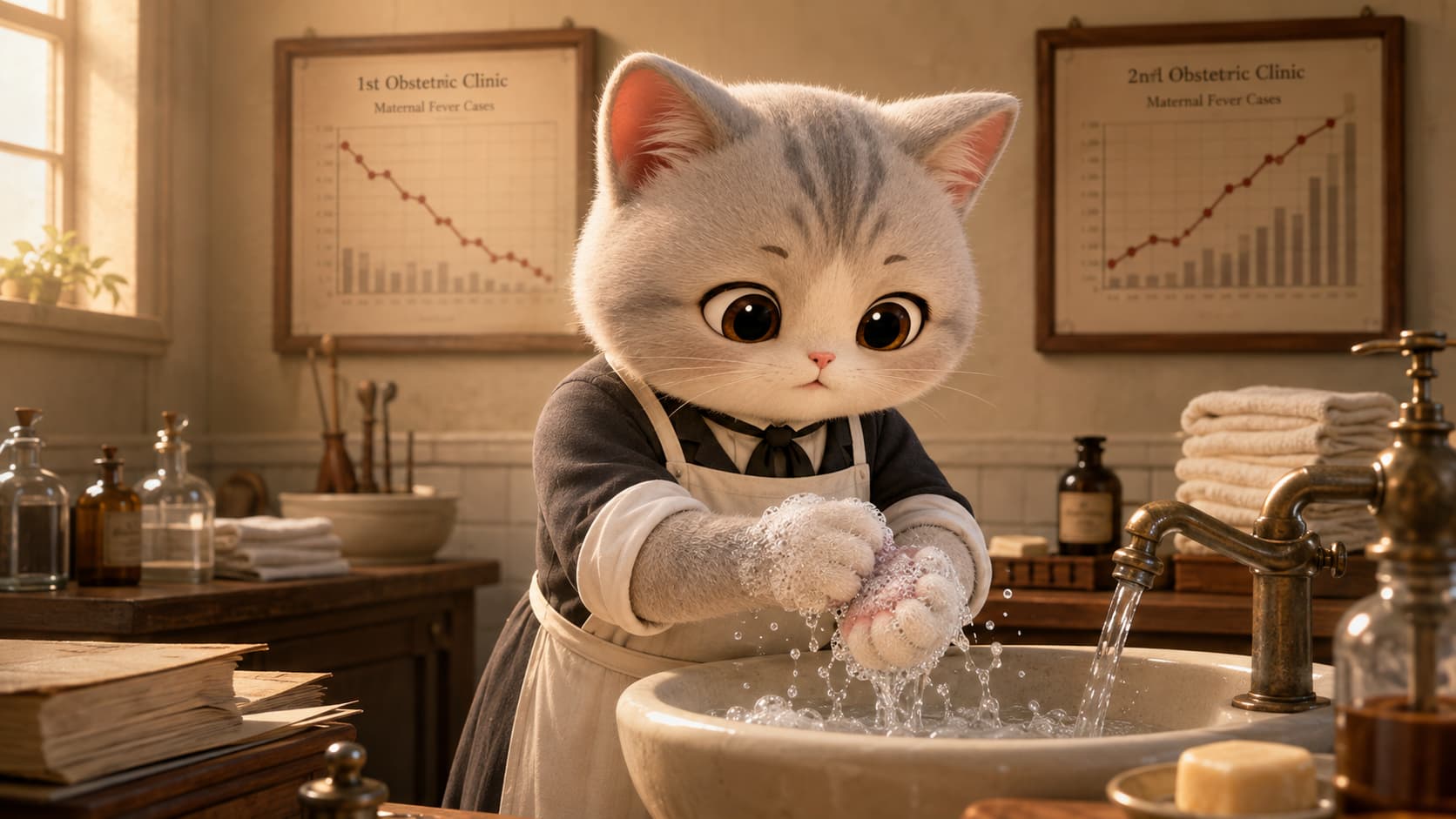
Semmelweis Cat
Semmelweis Cat realized that caregivers themselves could carry danger to patients. Careful handwashing is not just courtesy; it is an important medical practice for reducing infection.

John Snow Cat
John Snow Cat searched for patterns among case locations, addresses, and water sources. Treating disease means not only caring for individual patients, but also finding the public causes making many cats ill at once.
Care & Surgical Safety
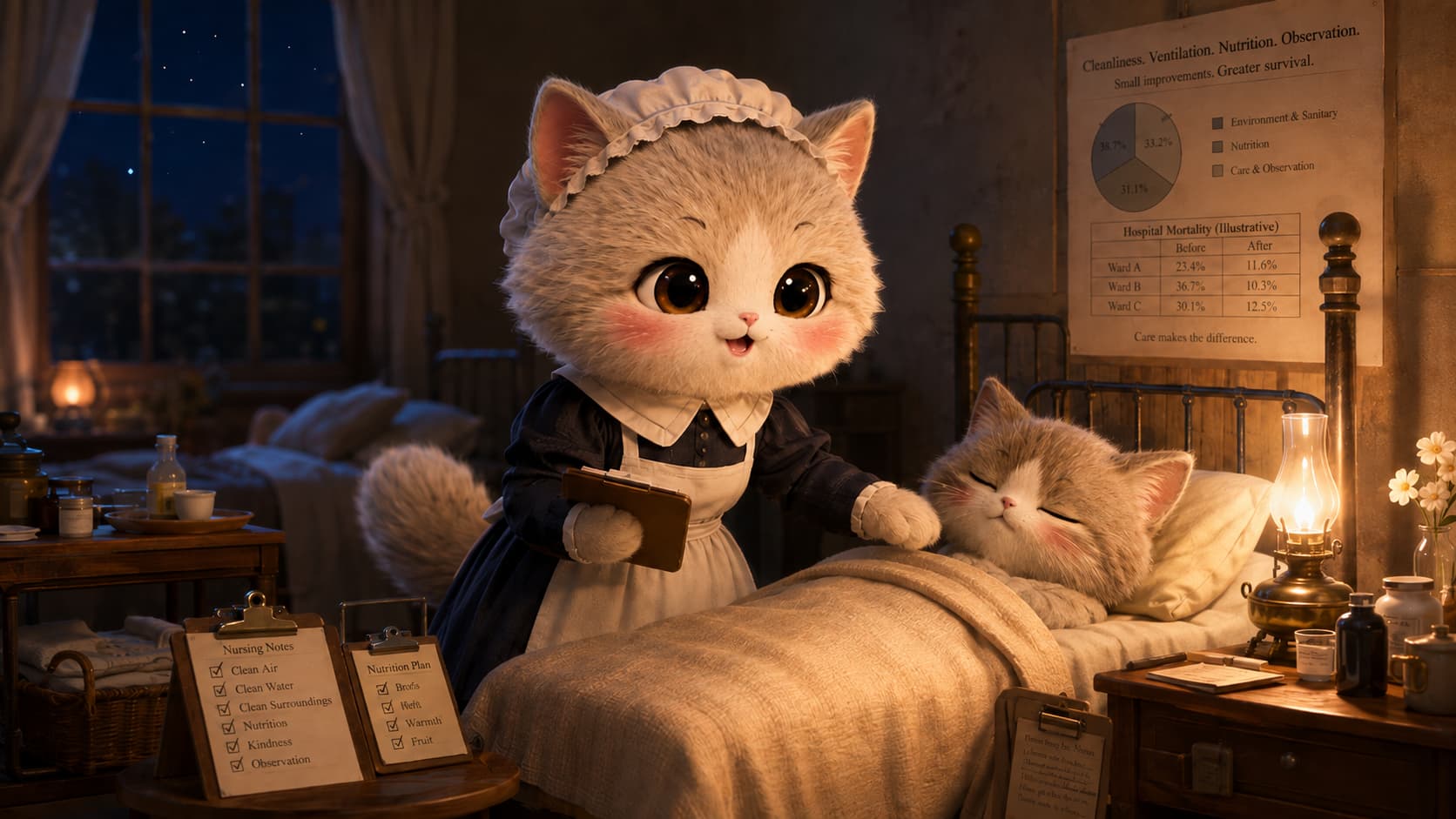
Nightingale Cat
Nightingale Cat recorded cleanliness, ventilation, care, and deaths in hospital wards, then used data to compare results before and after changes. Nursing is not an accessory beside treatment; it can itself help more sick cats recover.

Lister Cat
Lister Cat brought invisible infection risk into surgical thinking. Cleaning instruments, wounds, and surroundings gave surgery a better chance to truly help patients.
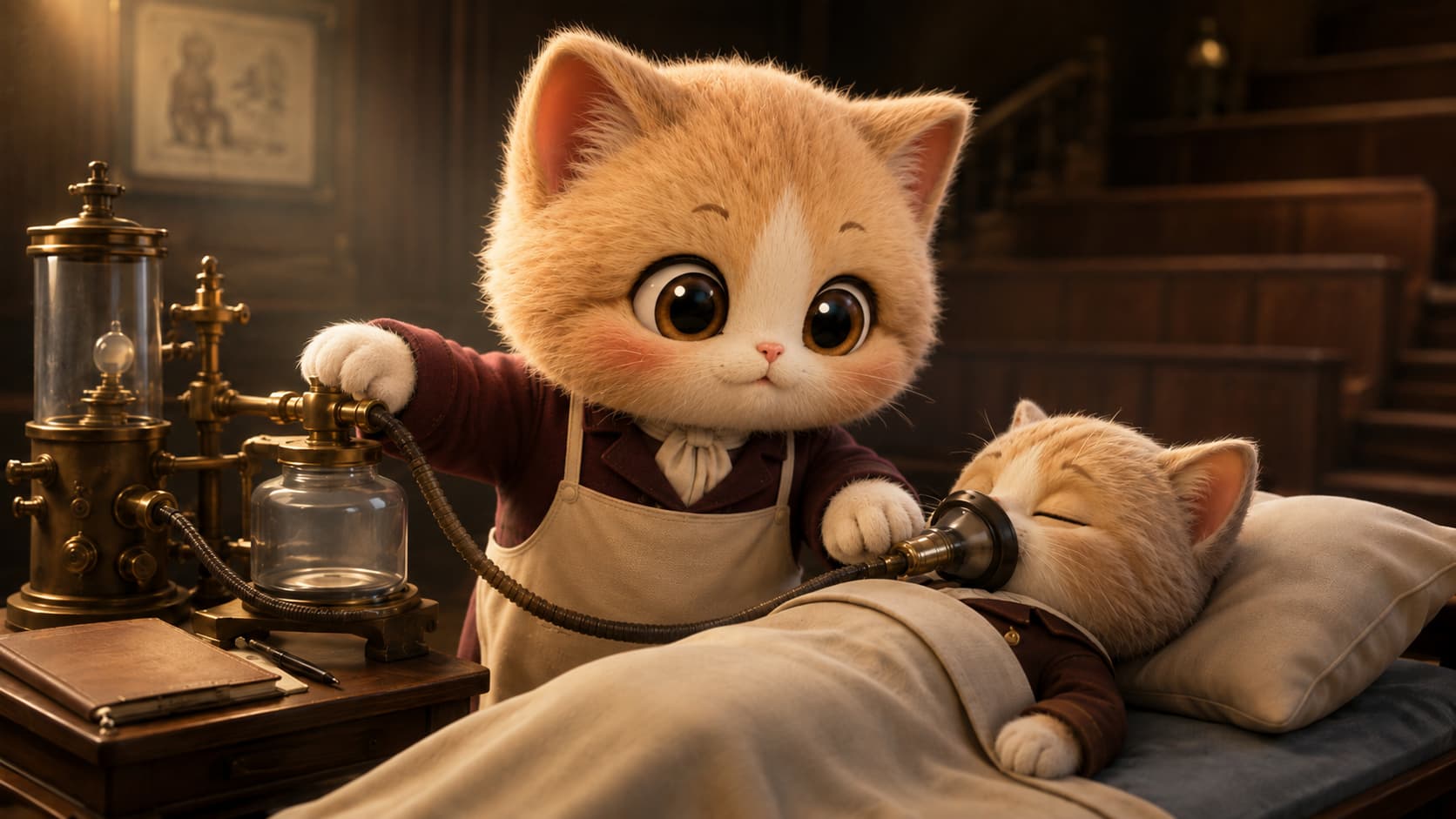
Morton Cat
The anesthesia practice represented by Morton Cat meant that cats undergoing surgery no longer had to endure unbearable pain. Medicine must not only complete an operation, but also reduce suffering throughout the process.
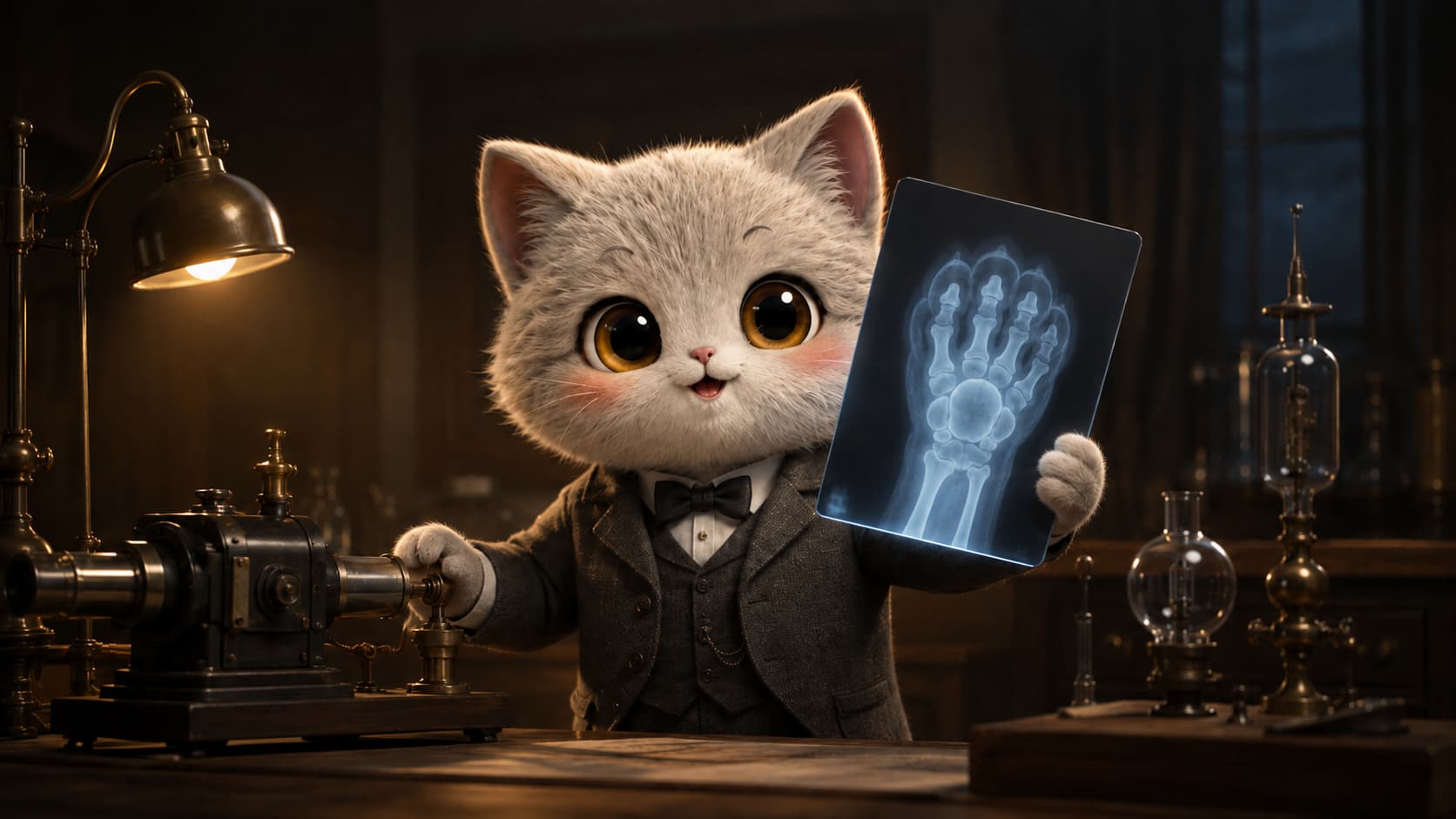
Roentgen Cat
Roentgen Cat let physicians see parts of the body’s interior without opening it. Medicine gained a new way of looking inside.
Diagnosis & Treatment
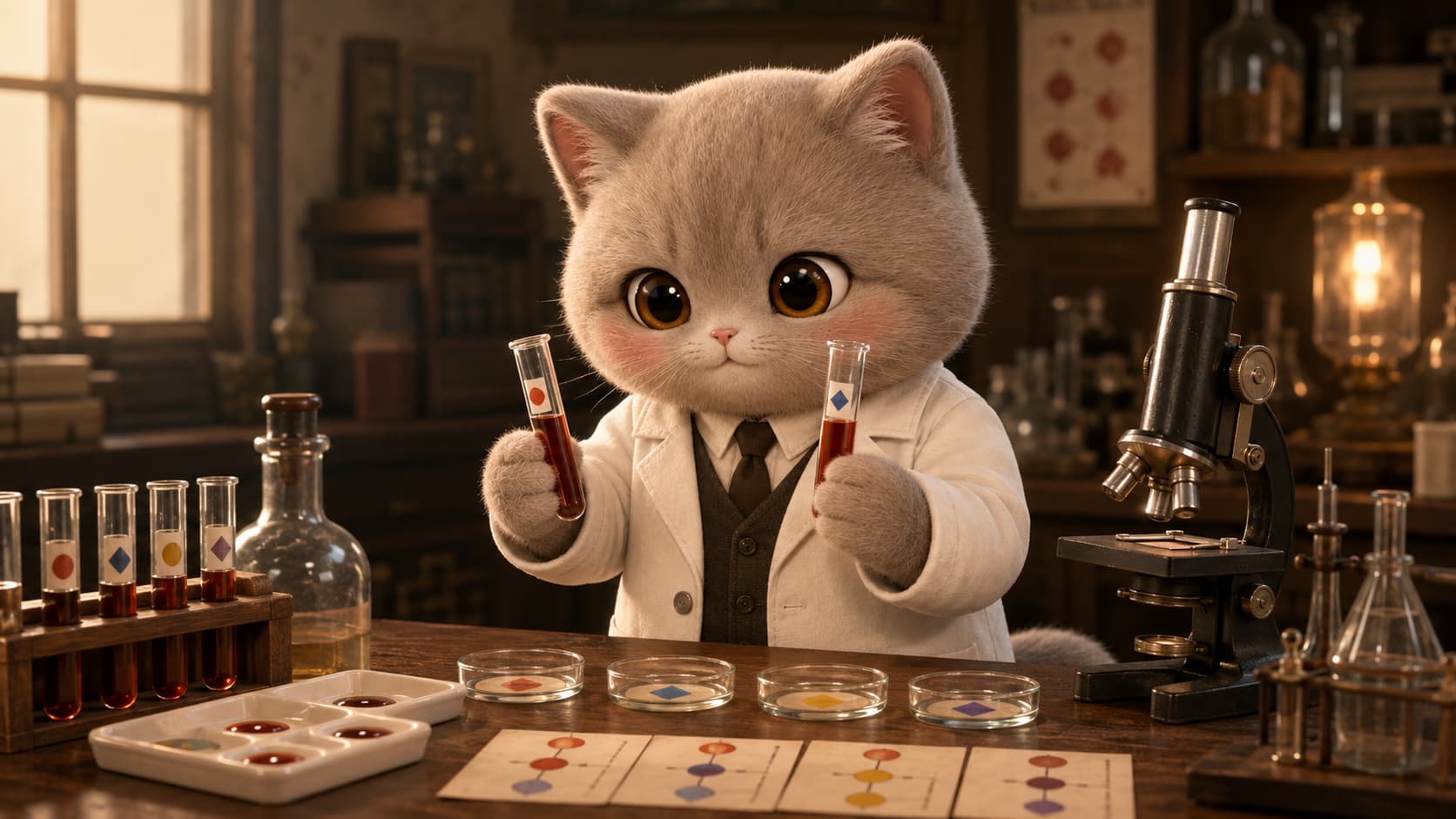
Landsteiner Cat
Landsteiner Cat showed that blood from different individuals cannot simply be mixed at will. Recognizing blood types and compatibility made transfusion far safer.
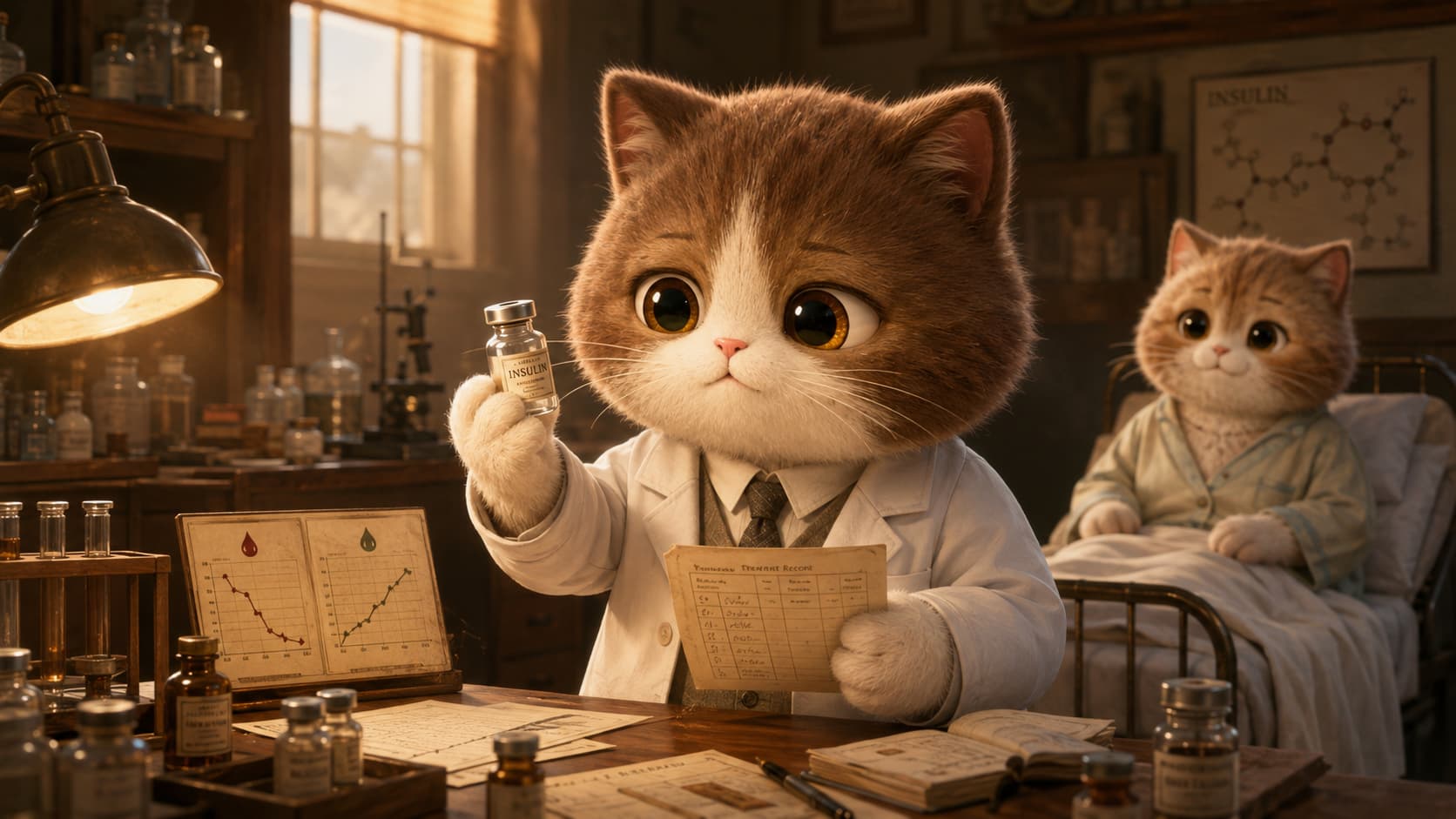
Banting Cat
Banting Cat worked with Best Cat, Collip Cat, Macleod Cat, and other researchers to develop insulin into a usable treatment. Many cats with diabetes could then live for years with continuing medication.
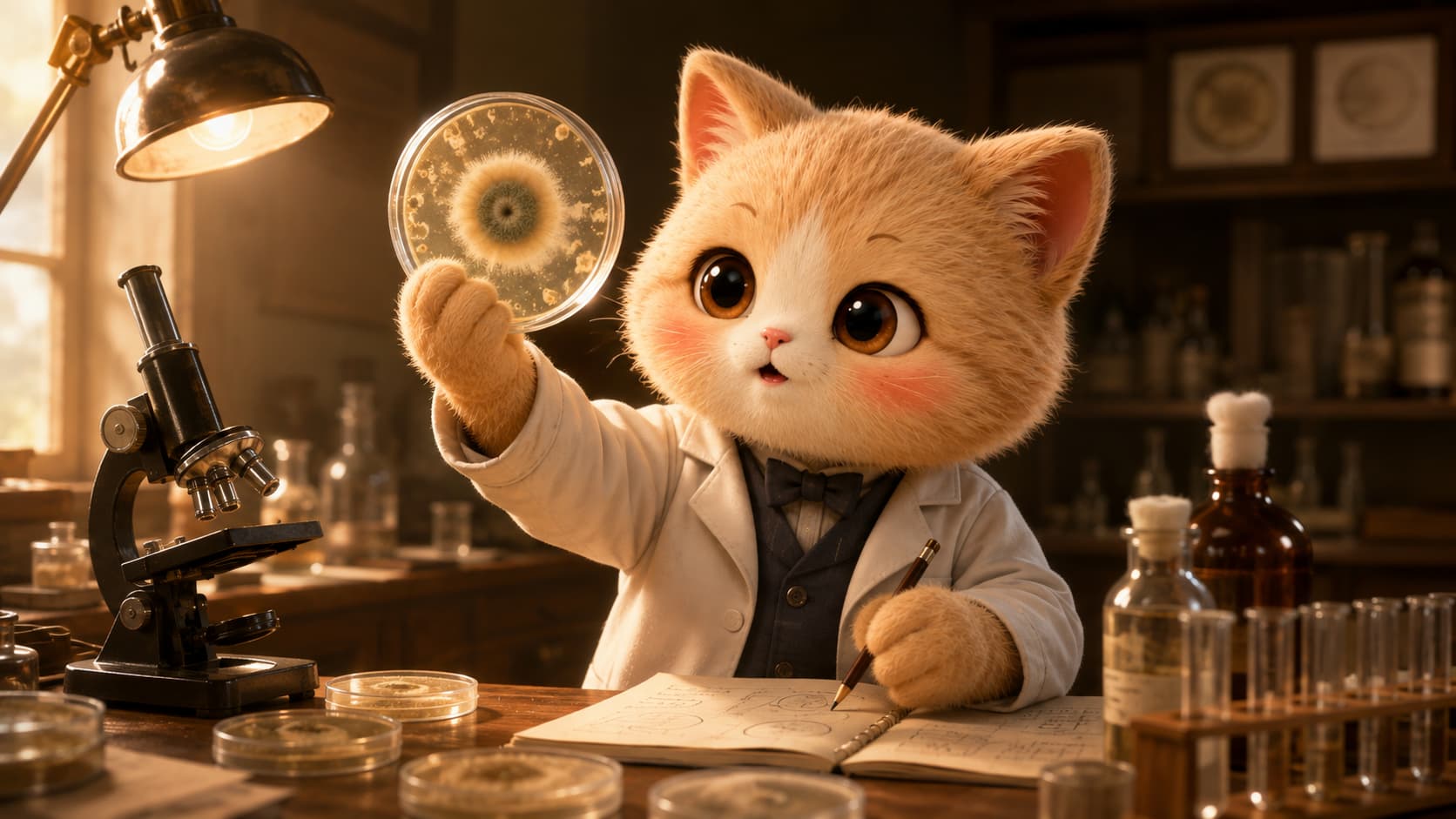
Fleming Cat
Fleming Cat found that bacteria stopped growing around mold in a culture dish. That observation became a starting point for penicillin research, and later teams developed it into a medicine that could be widely used.