Civilization Museum · 01
Knowledge, Reasoning & Scientific Method
From questioning, reasoning, and proof to experiment, measurement, and evidence-based revision, this wall follows how cats built knowledge that is more reliable and more willing to be corrected.
Beginning with Questions
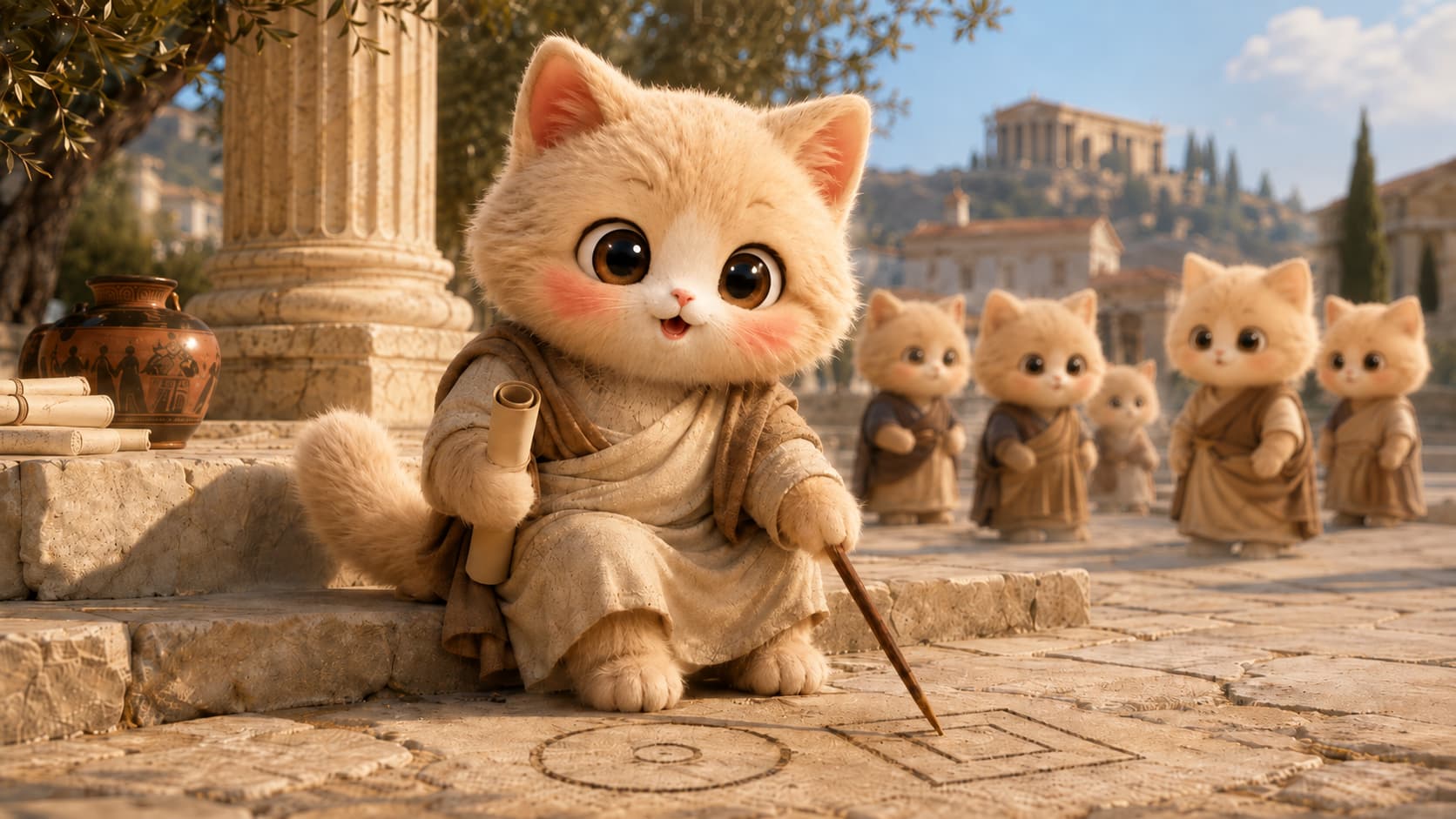
Socrates Cat
Socrates Cat made familiar answers face questions again: What does this word mean, and what supports the claim? Reliable understanding often begins by admitting that we may still not know.
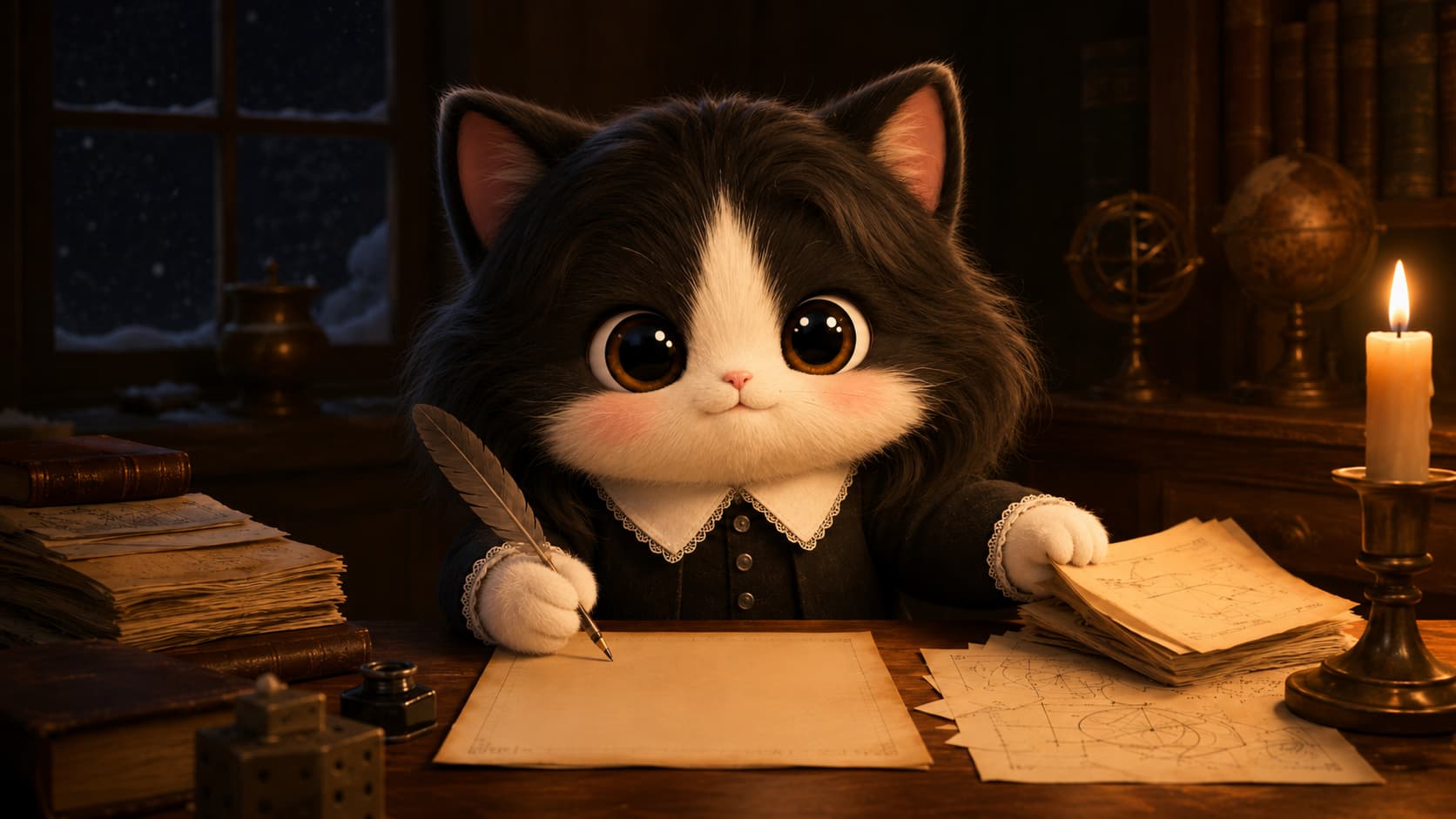
Descartes Cat
Descartes Cat examined sensation, tradition, and accepted conclusions one by one, looking for a starting point that doubt could not easily overturn. Doubt does not mean discarding everything; it means first checking what knowledge rests on.
How Reasoning Works
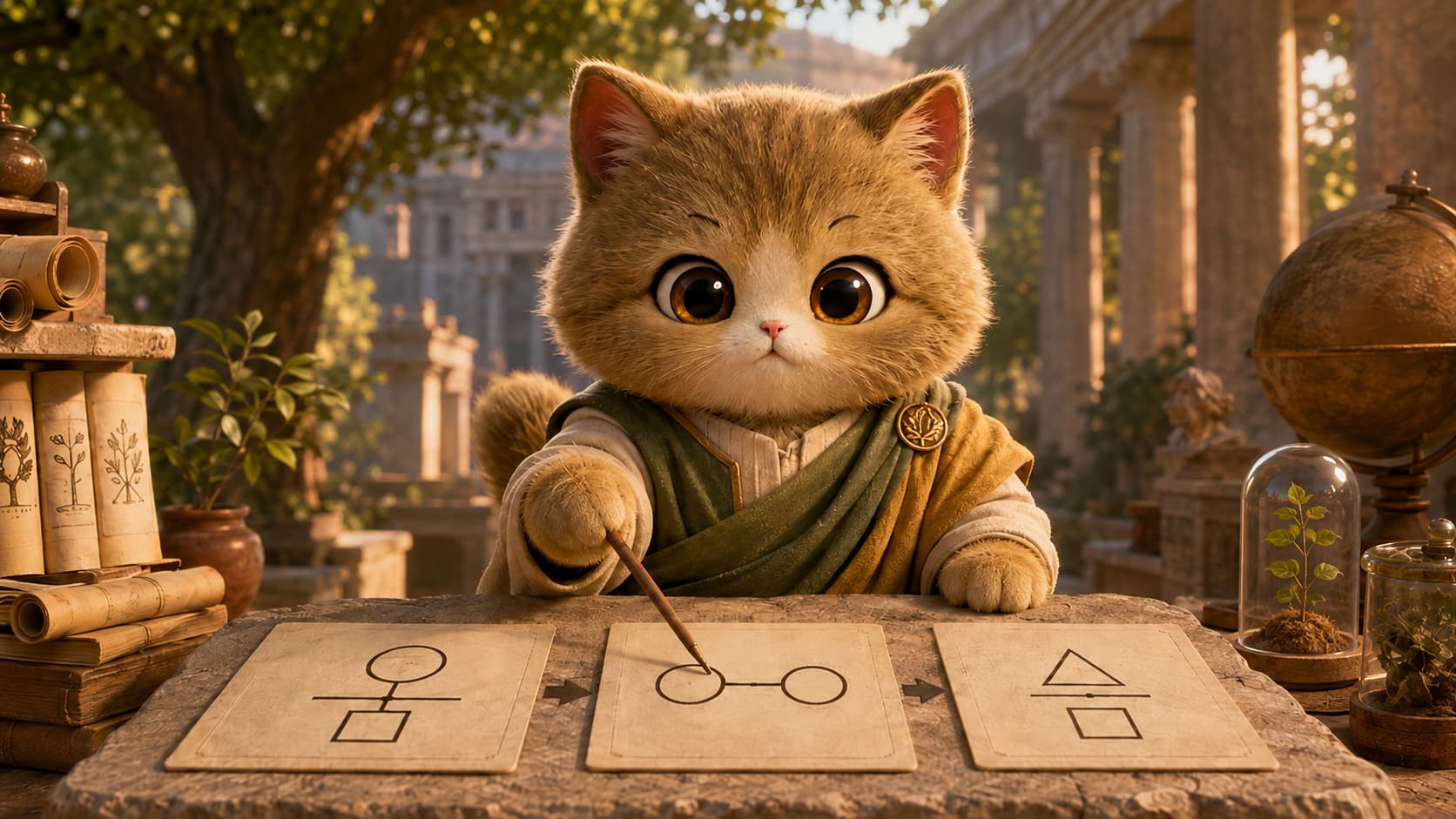
Aristotle Cat
Aristotle Cat studied the relationship among premises, reasoning, and conclusions. A conclusion is not enough merely because it sounds reasonable; it must follow validly from clear premises.
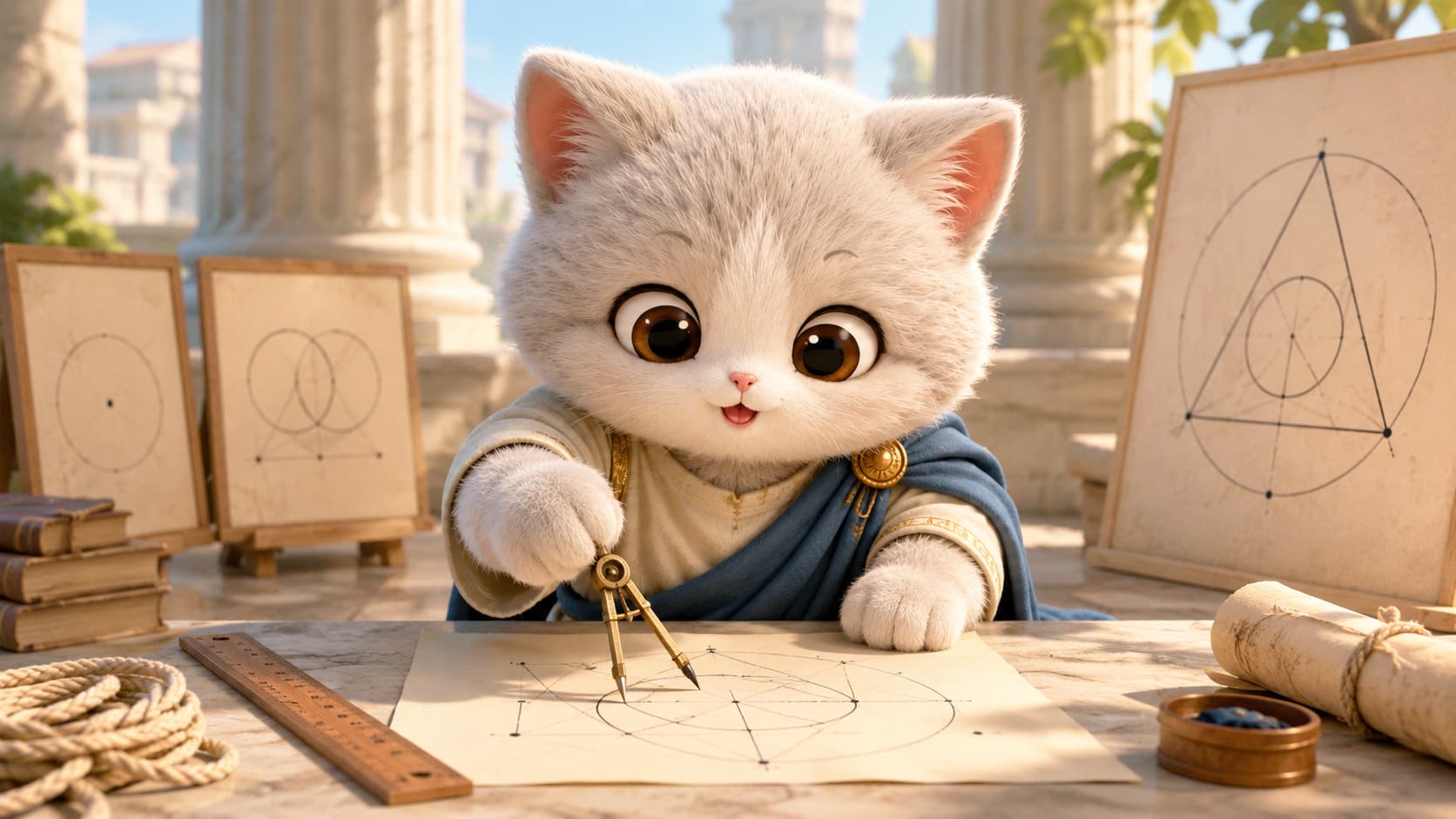
Euclid Cat
Euclid Cat organized definitions, axioms, and proofs into a system that could be checked step by step. A complete proof should let another cat see where it begins and how it reaches its conclusion.
Let Nature Answer
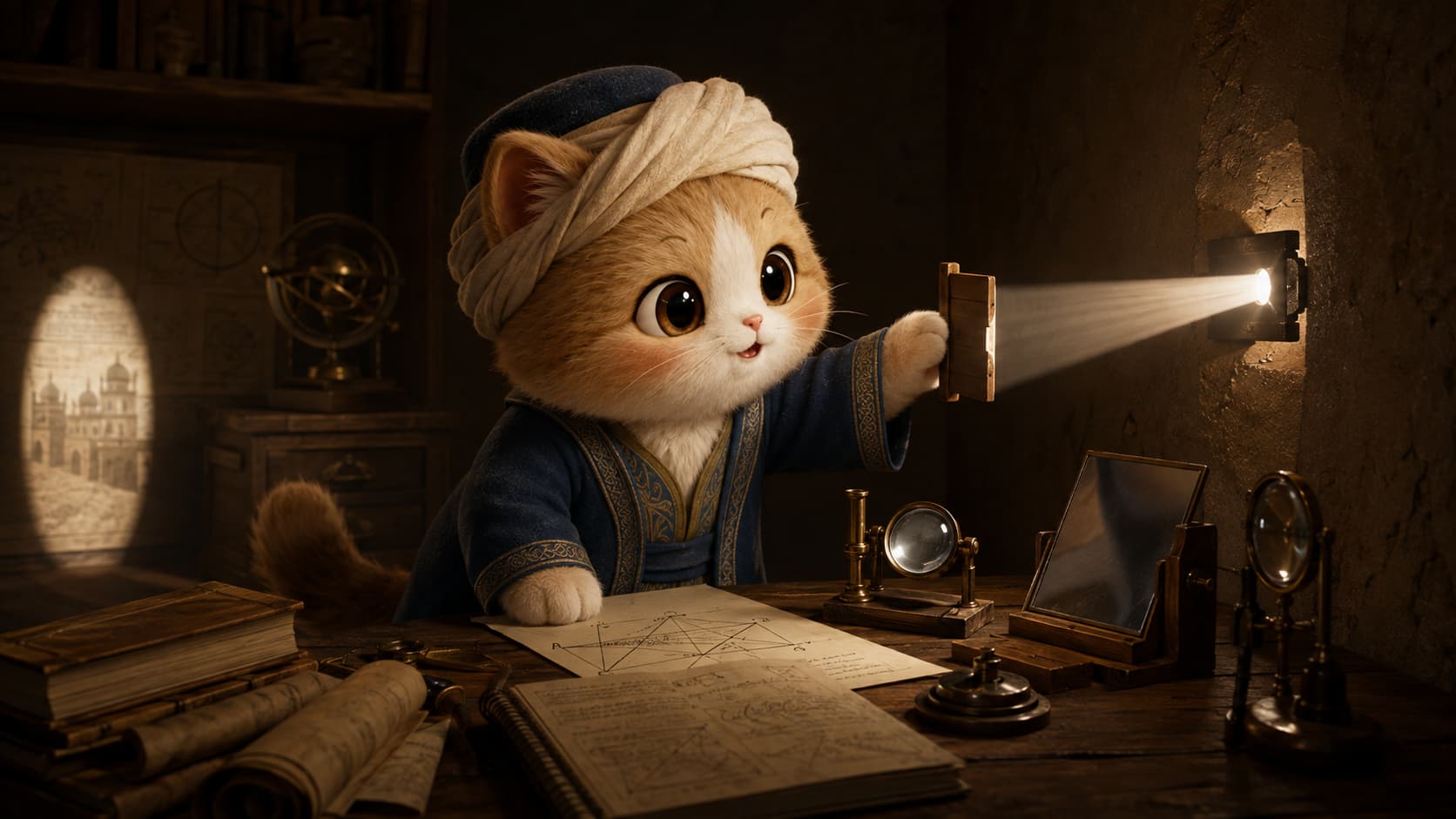
Ibn al-Haytham Cat
Ibn al-Haytham Cat required explanations of nature to face observation and experiment rather than rely only on authority or intuition. Optical experiments showed that reality can correct what we first imagine.
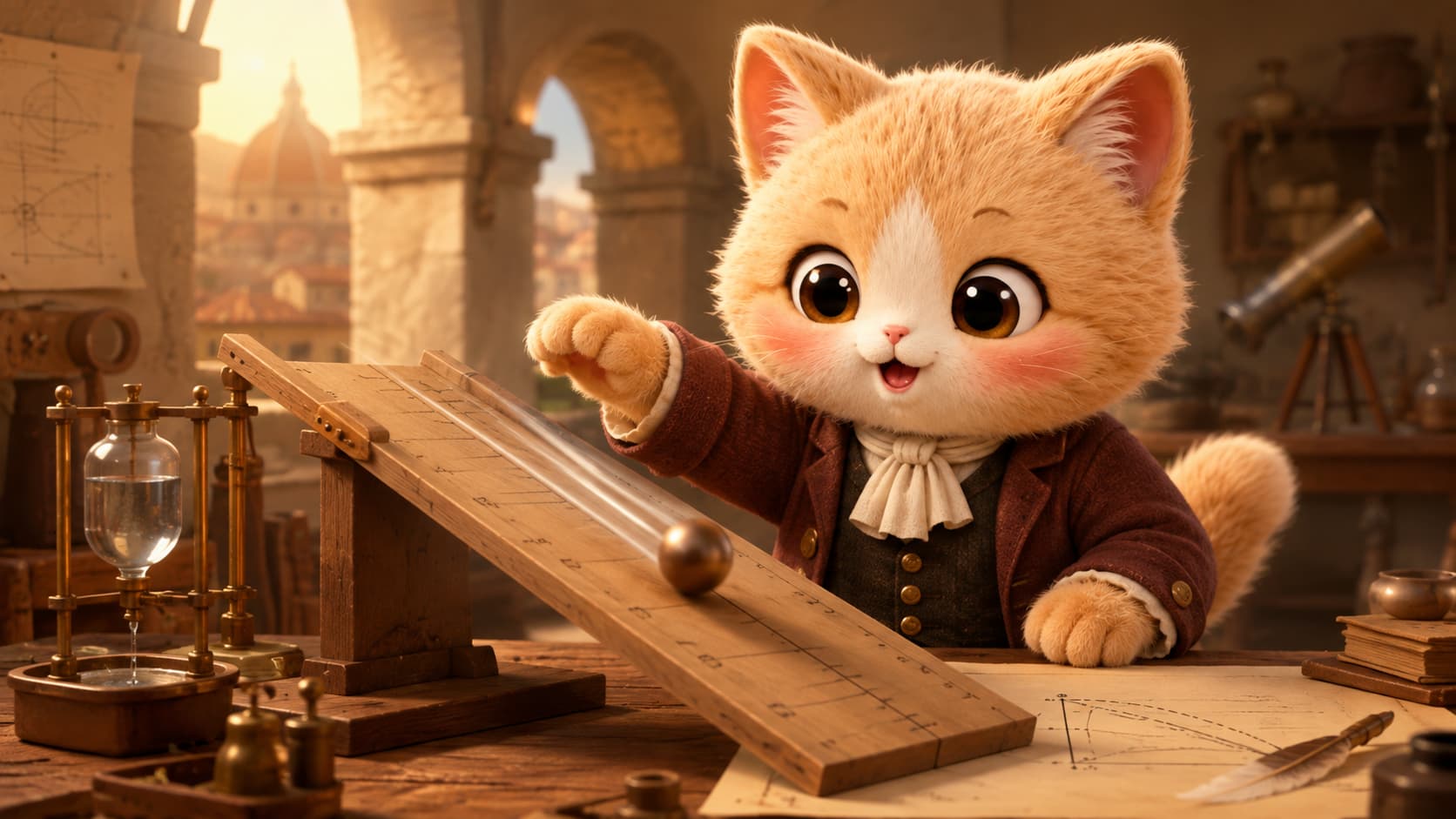
Galileo Cat
Using inclined planes, timing, and repeated measurement, Galileo Cat turned rapid motion into a mathematical problem that could be studied. Natural laws must not only be described, but checked against experimental data.
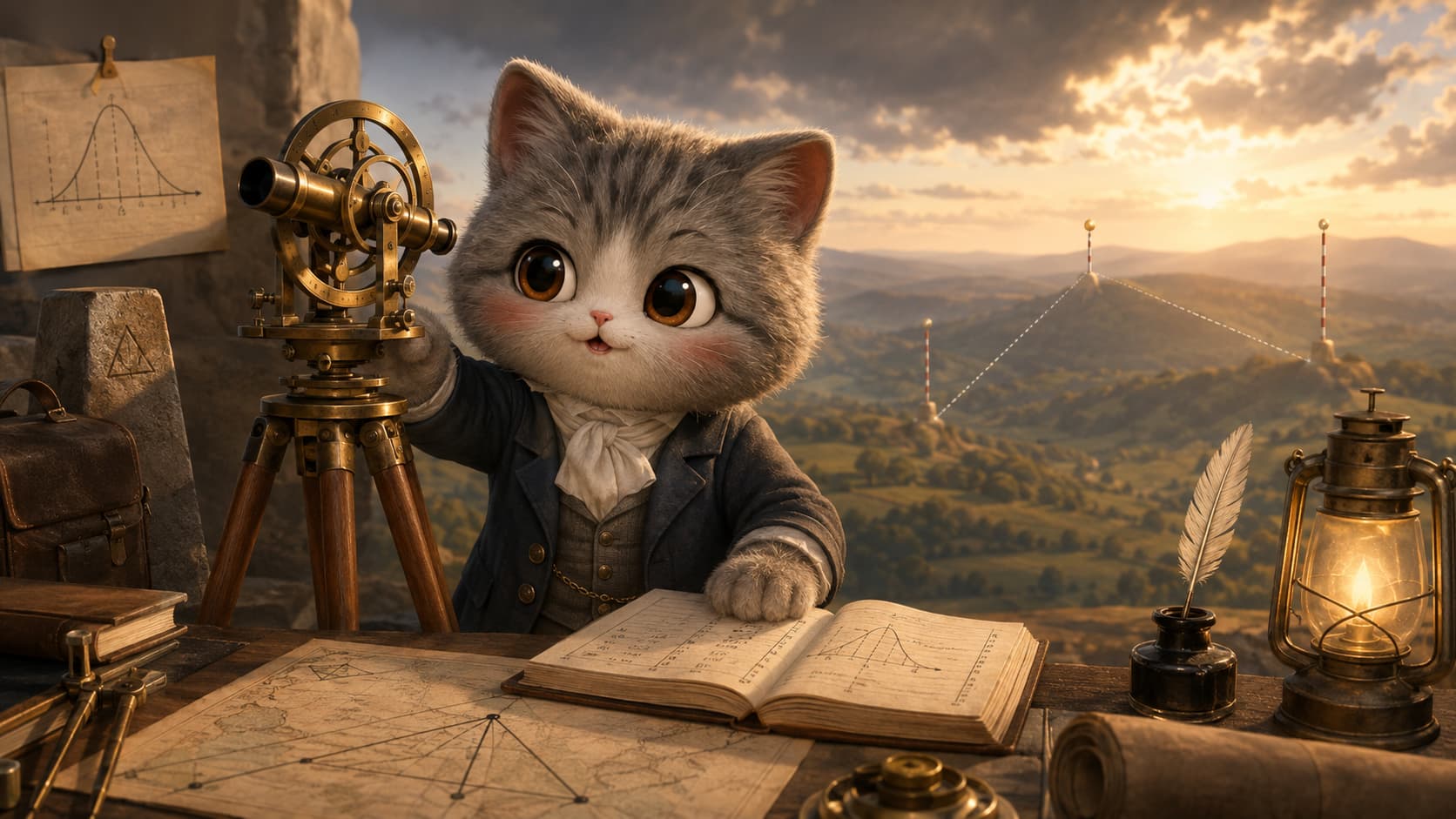
Gauss Cat
Gauss Cat compared the results of repeated measurements and studied why they were not exactly the same. A measurement should report not only one number, but also how large its error may be.
How Evidence Changes Judgment
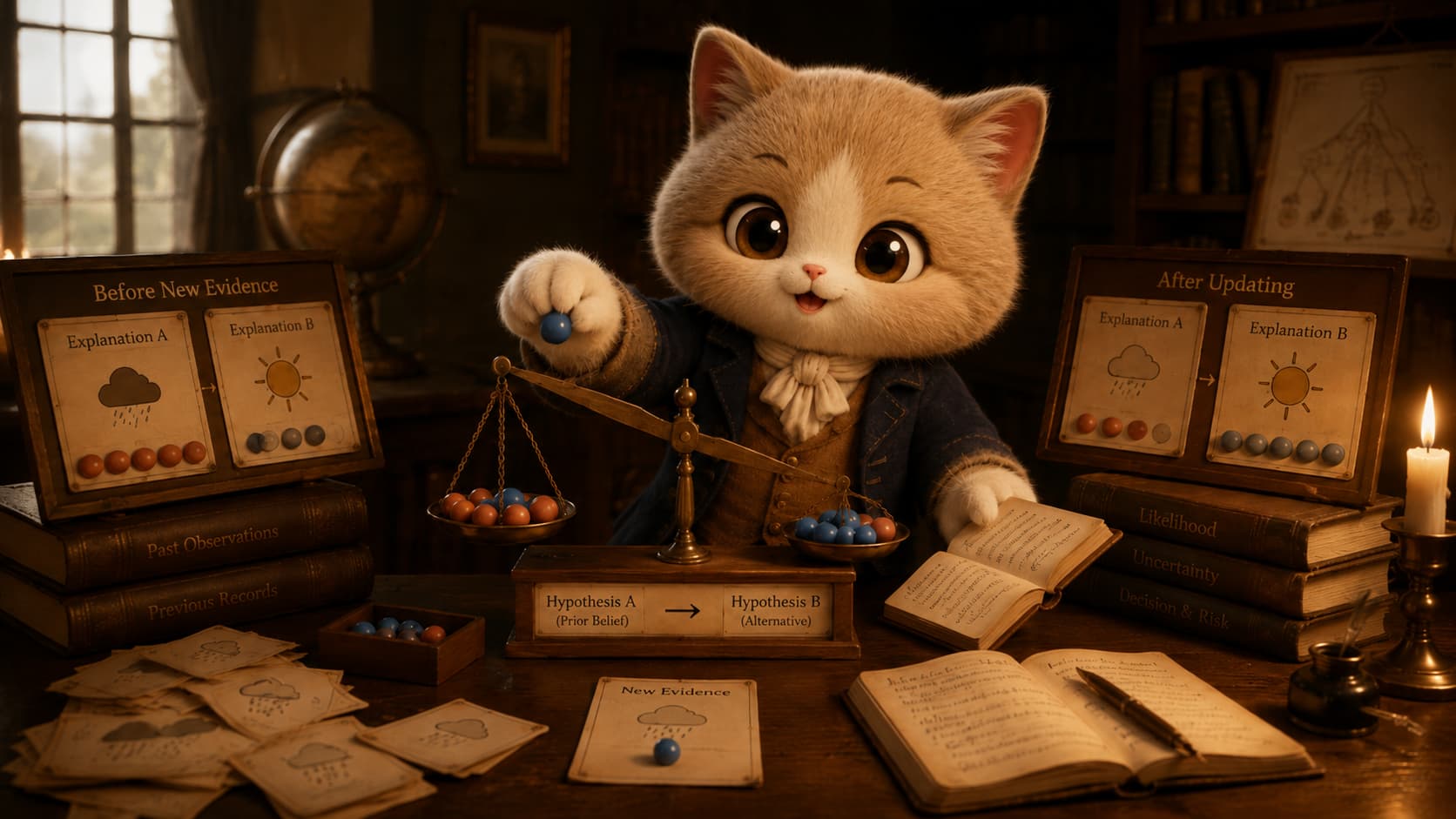
Bayes Cat
Bayes Cat studied how an earlier judgment should change when new evidence appears. As information grows, cats can raise or lower their confidence in a claim for clearer reasons.
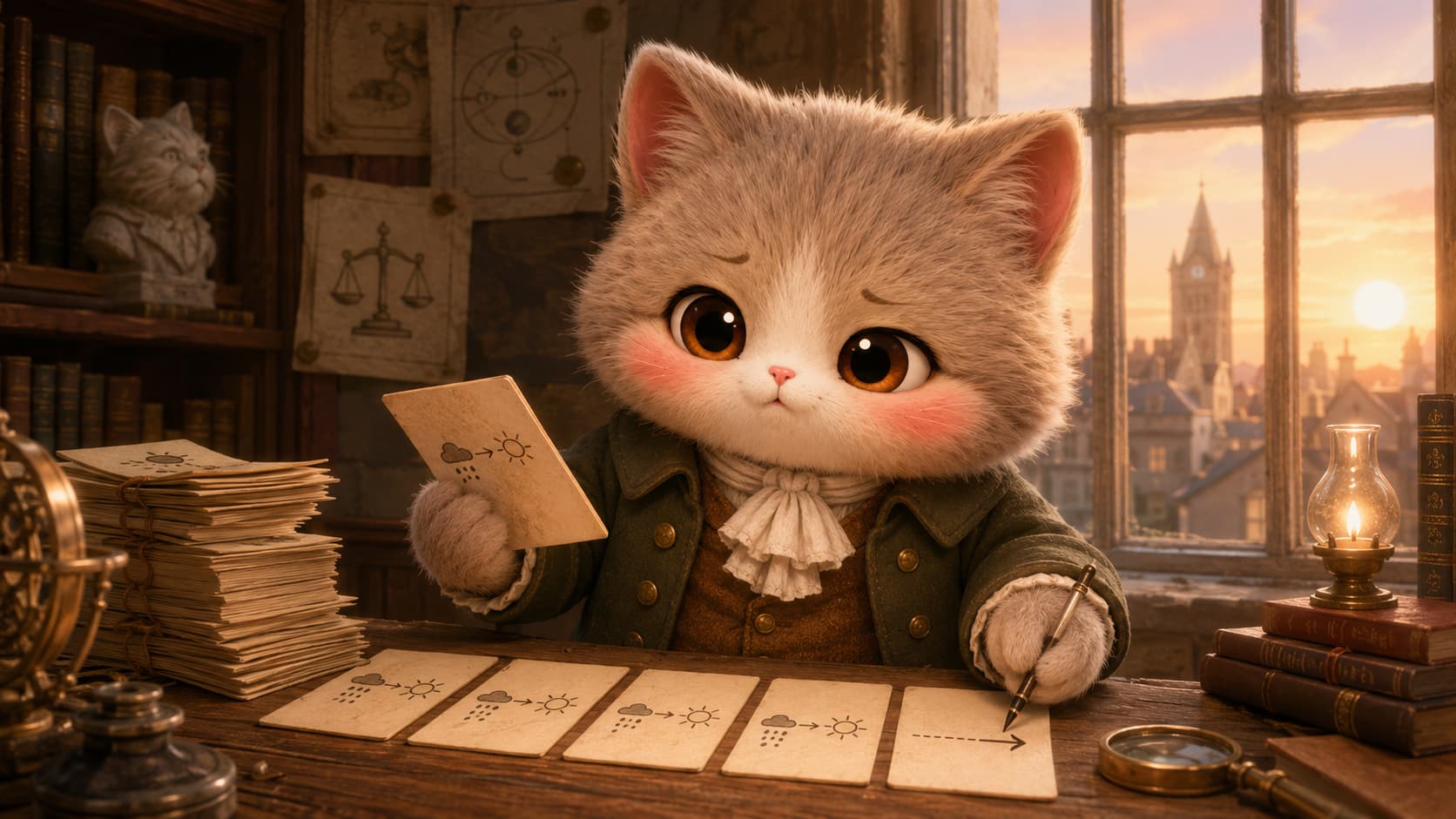
Hume Cat
Hume Cat reminded cats that two events often appearing together does not mean one must have caused the other. A pattern that has always held in the past also cannot guarantee that the future will always be the same.
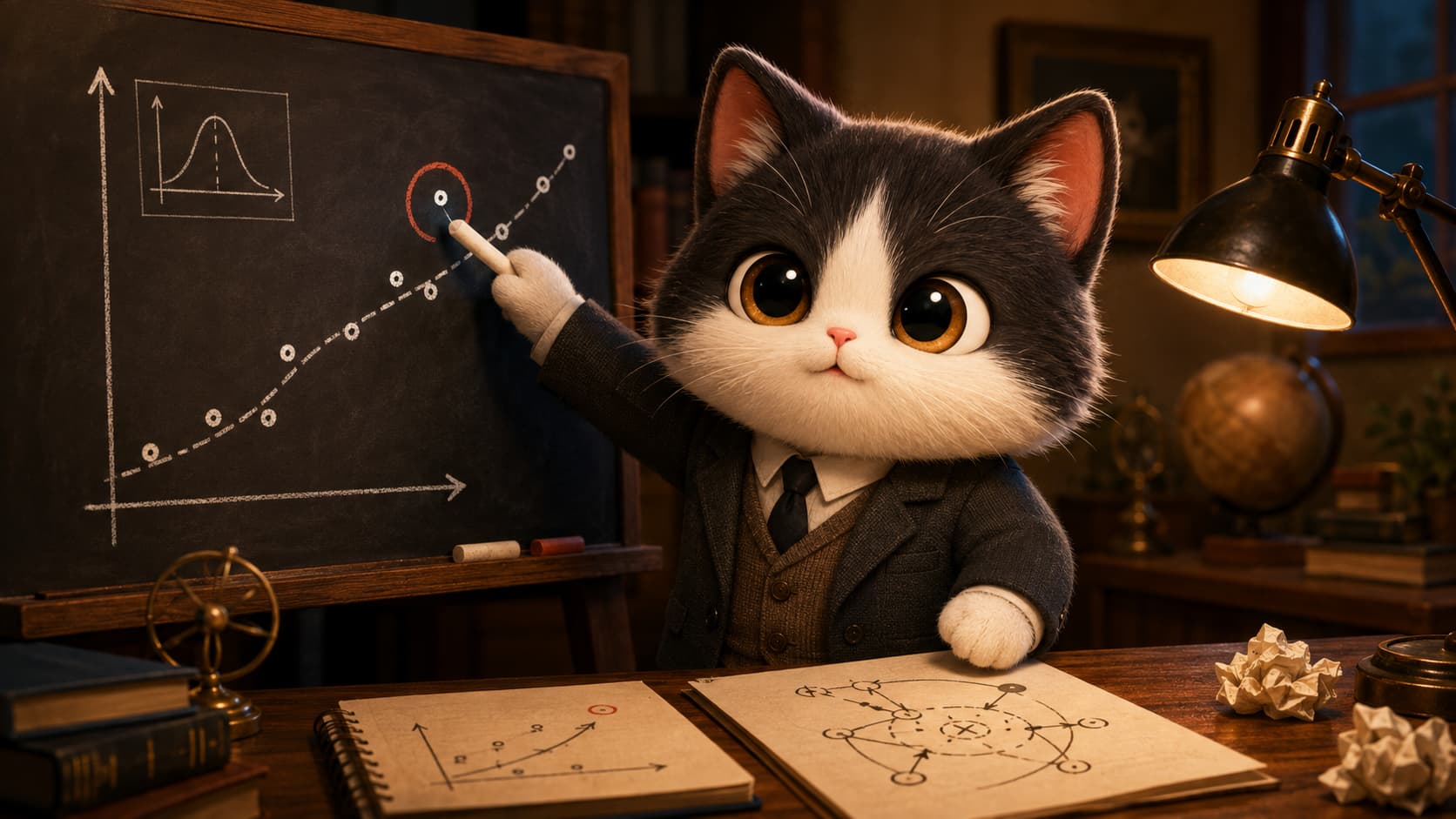
Popper Cat
Popper Cat emphasized that scientific claims must accept the possibility of being challenged and corrected by facts. A mismatch between prediction and observation is an opportunity to revise a model and keep learning.
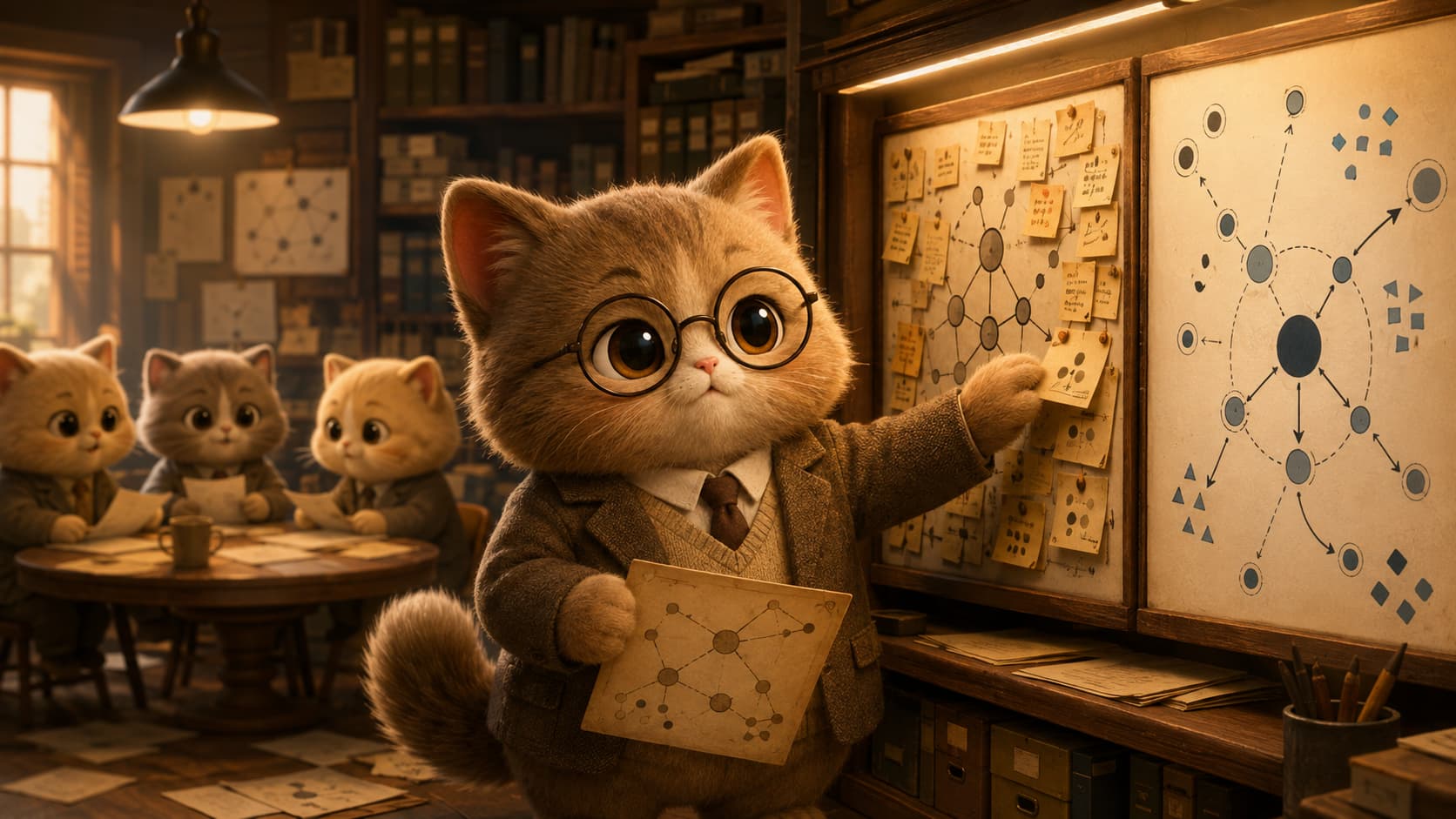
Kuhn Cat
Kuhn Cat observed that research cats usually solve problems within a shared set of methods. When more and more observations cannot be explained, cats may need to change their whole way of seeing the problem instead of revising only one answer.