Civilization Museum · 05
Engineering, Energy & Manufacturing
From heat engines, electricity, and precision manufacturing to fusion energy and maglev transport, this wall follows how cats turned natural laws into reliable, maintainable public engineering designed to serve life.
Heat & Power
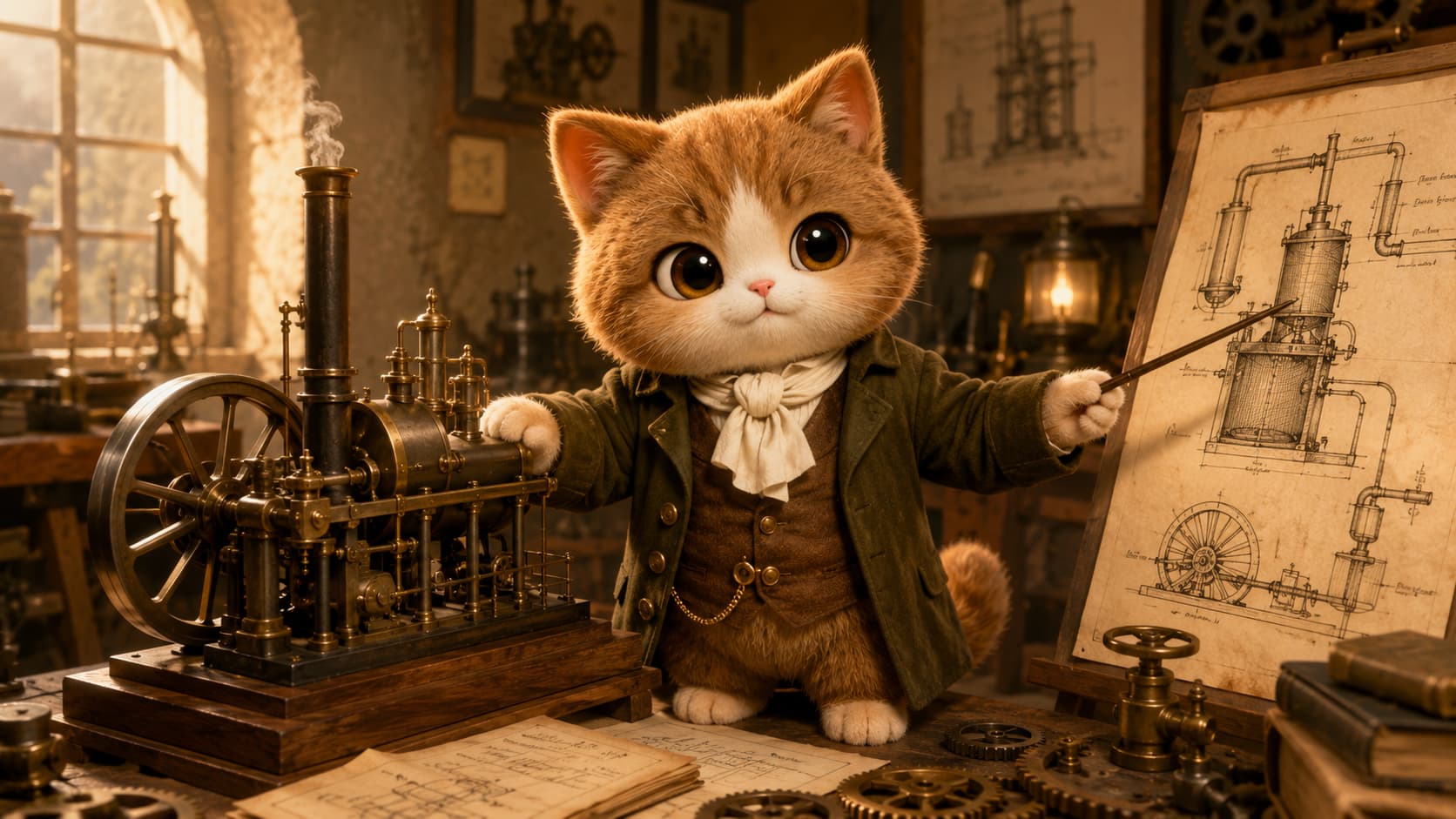
Watt Cat
Watt Cat improved the condensation and control devices of steam engines so they used less fuel and ran more steadily. Engineering progress sometimes comes not from reinventing a machine, but from reducing waste bit by bit.
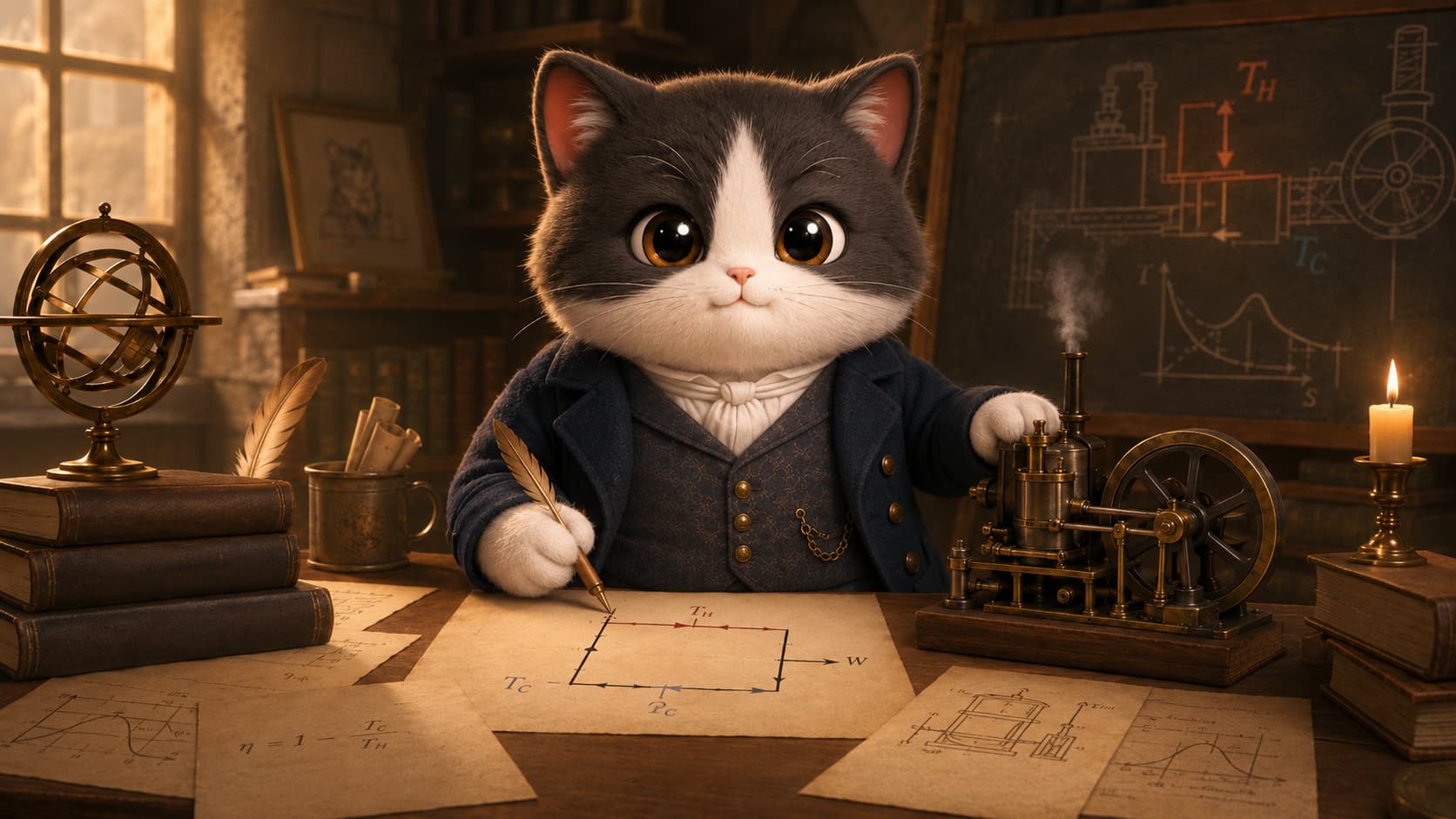
Carnot Cat
Carnot Cat studied how heat engines turn heat into power and found that efficiency has a natural limit even when a machine is built extremely well. Adding more fuel cannot raise efficiency without end, so engineering must begin by accepting that boundary.
Electricity & Public Systems
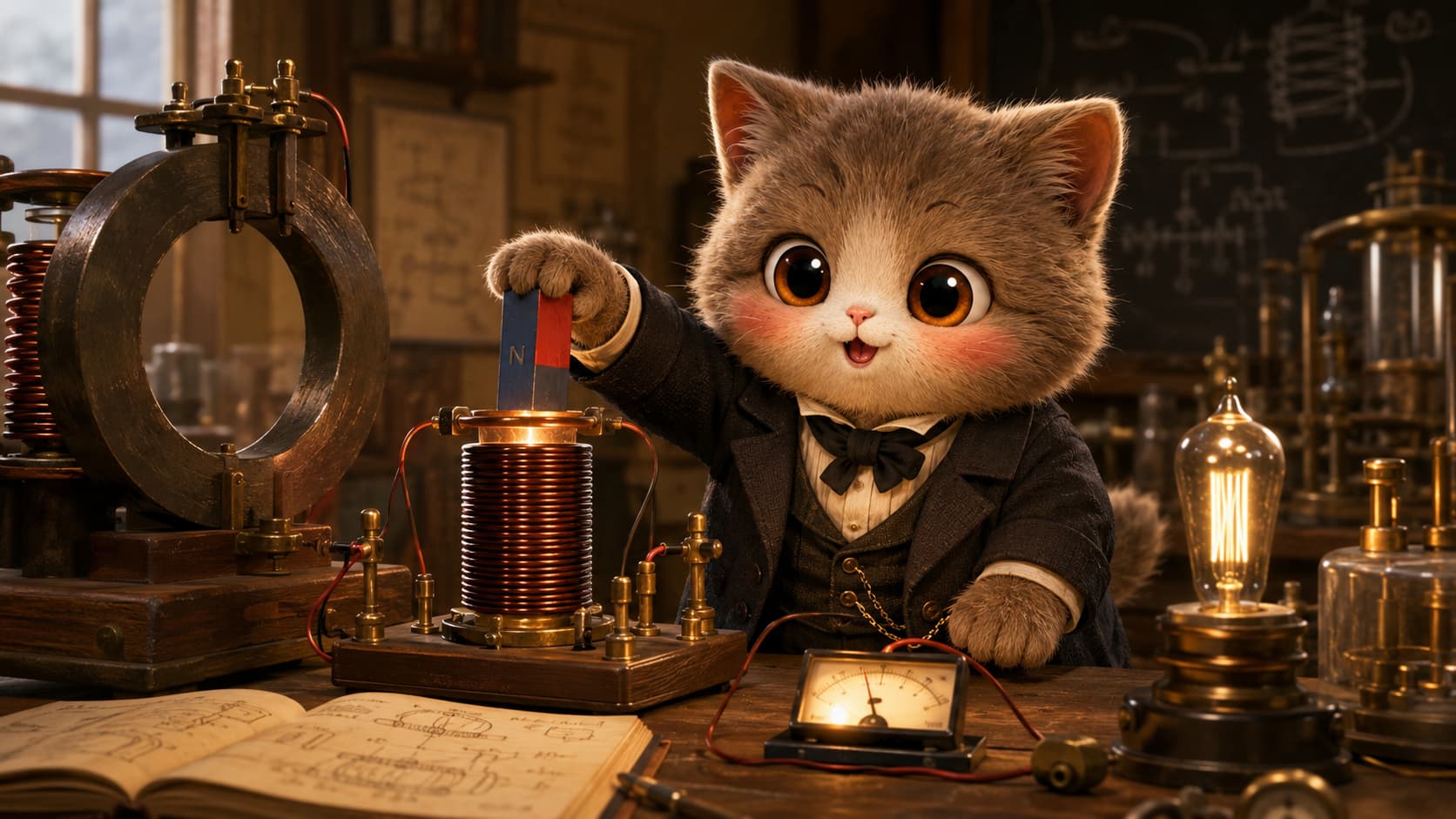
Faraday Cat
Faraday Cat discovered in experiments with coils and magnets that a changing magnetic field can produce electric current. A generator could therefore convert mechanical motion into electricity and send it into the city's power system.
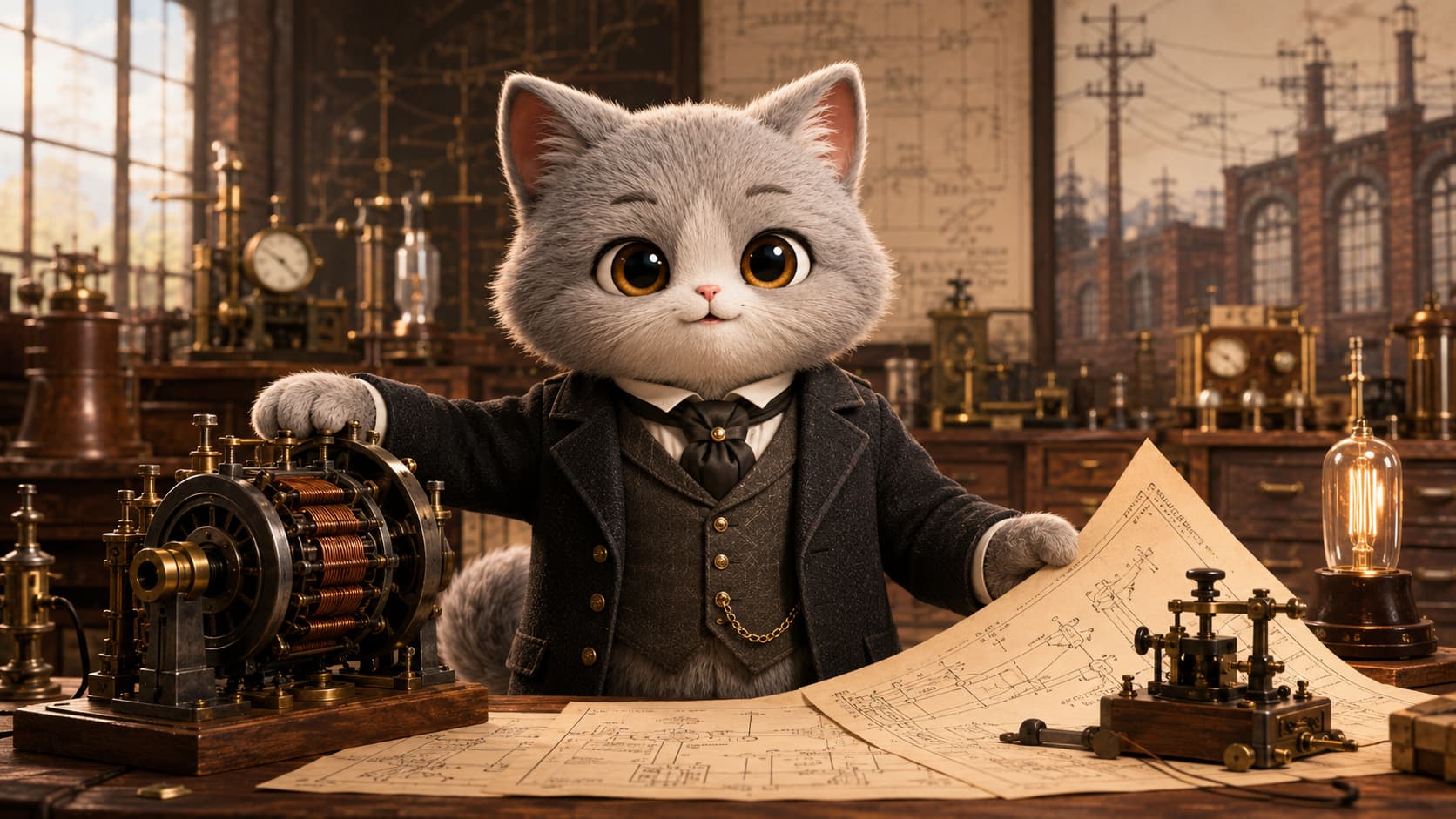
Werner von Siemens Cat
Siemens Cat made generators, telegraphs, and other electrical equipment more suitable for long-term use. Electrical experiments had to become dependable devices and lines before they could truly supply cities with power and communication.
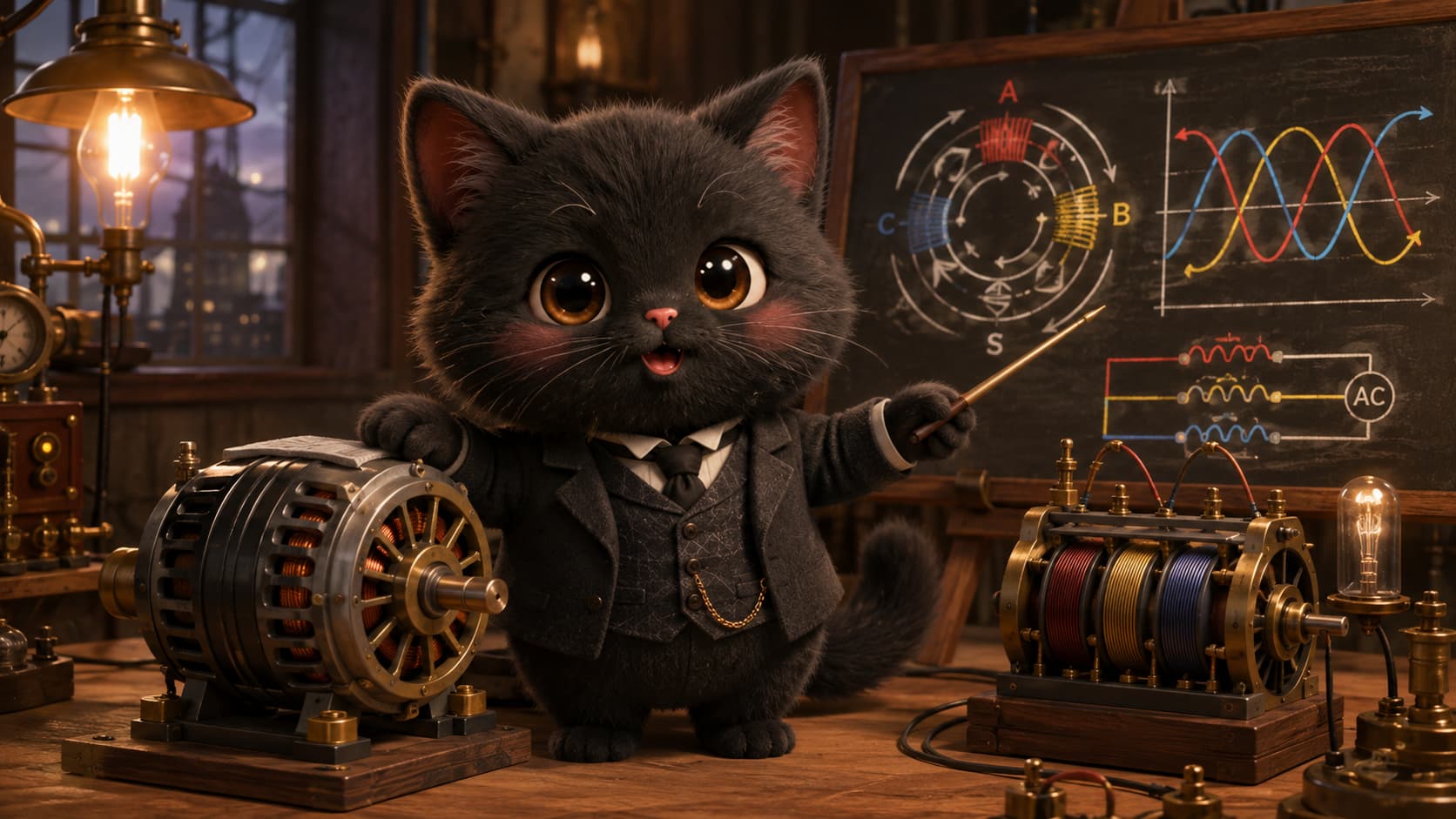
Tesla Cat
Tesla Cat studied rotating magnetic fields and developed AC motors and polyphase AC systems. Westinghouse Cat and engineering teams continued the work, building those designs into systems that could supply power and drive machinery.
Precision Manufacturing & Engineering Methods
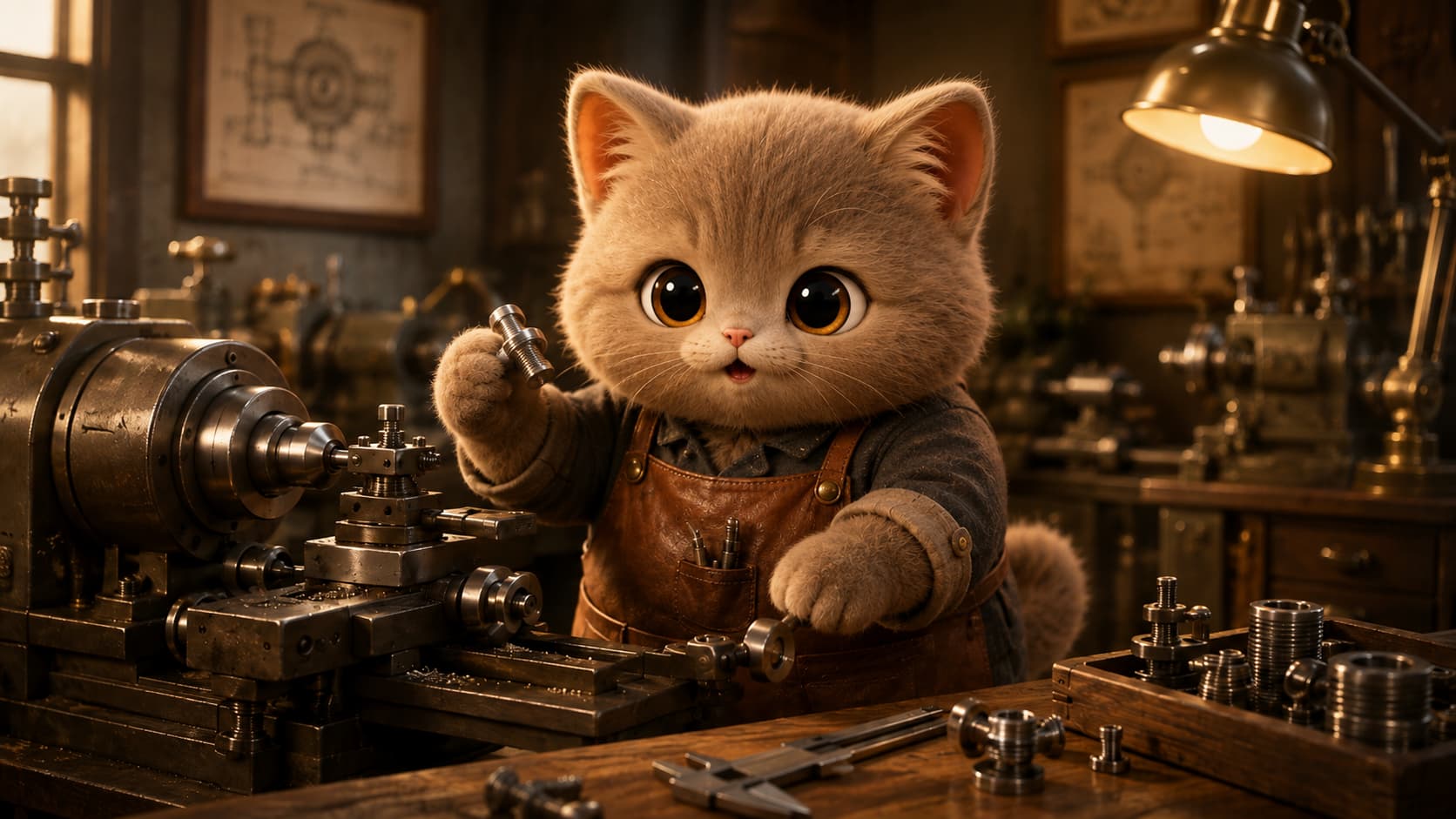
Maudslay Cat
Maudslay Cat improved precision machine tools and screw cutting so machines could repeatedly produce parts with similar dimensions. Parts no longer had to be adjusted by a craft cat each time before they would fit together.
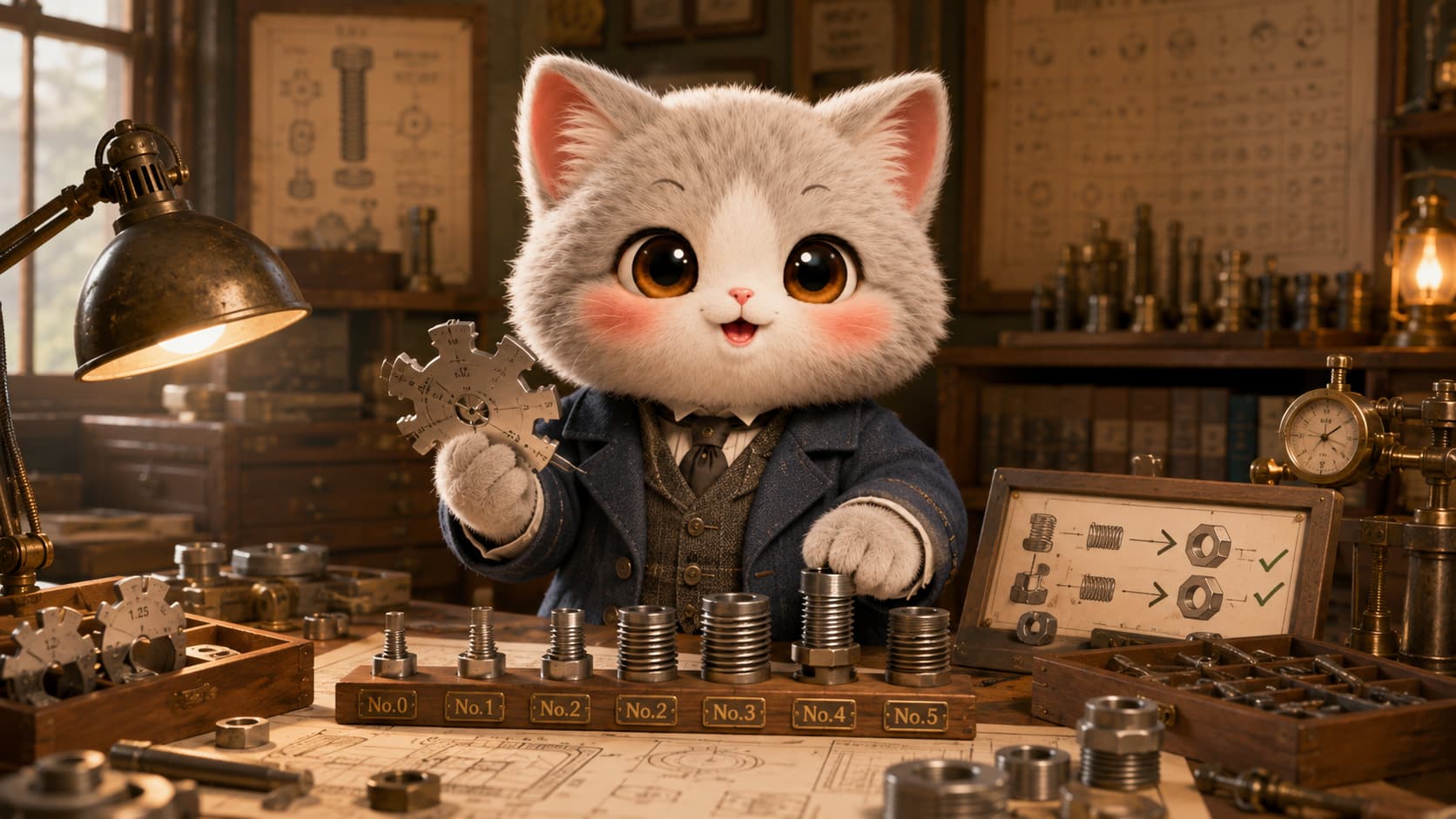
Whitworth Cat
Whitworth Cat promoted common thread and dimensional standards. Parts made in different places could then match more easily and be replaced or repaired with less custom fitting.

Shewhart Cat
Shewhart Cat plotted the measurements from each batch of parts on a chart. When the pattern became unusual, engineering cats could inspect the machine and process before large numbers of defective parts were made.

Lillian Gilbreth Cat
Lillian Gilbreth Cat observed cats' movements, fatigue, and difficulties at work and in daily life, then used those observations to improve tools and procedures. Good design should reduce burdens on residents instead of forcing residents to adapt to machines.
Urban Energy & Transport Engineering
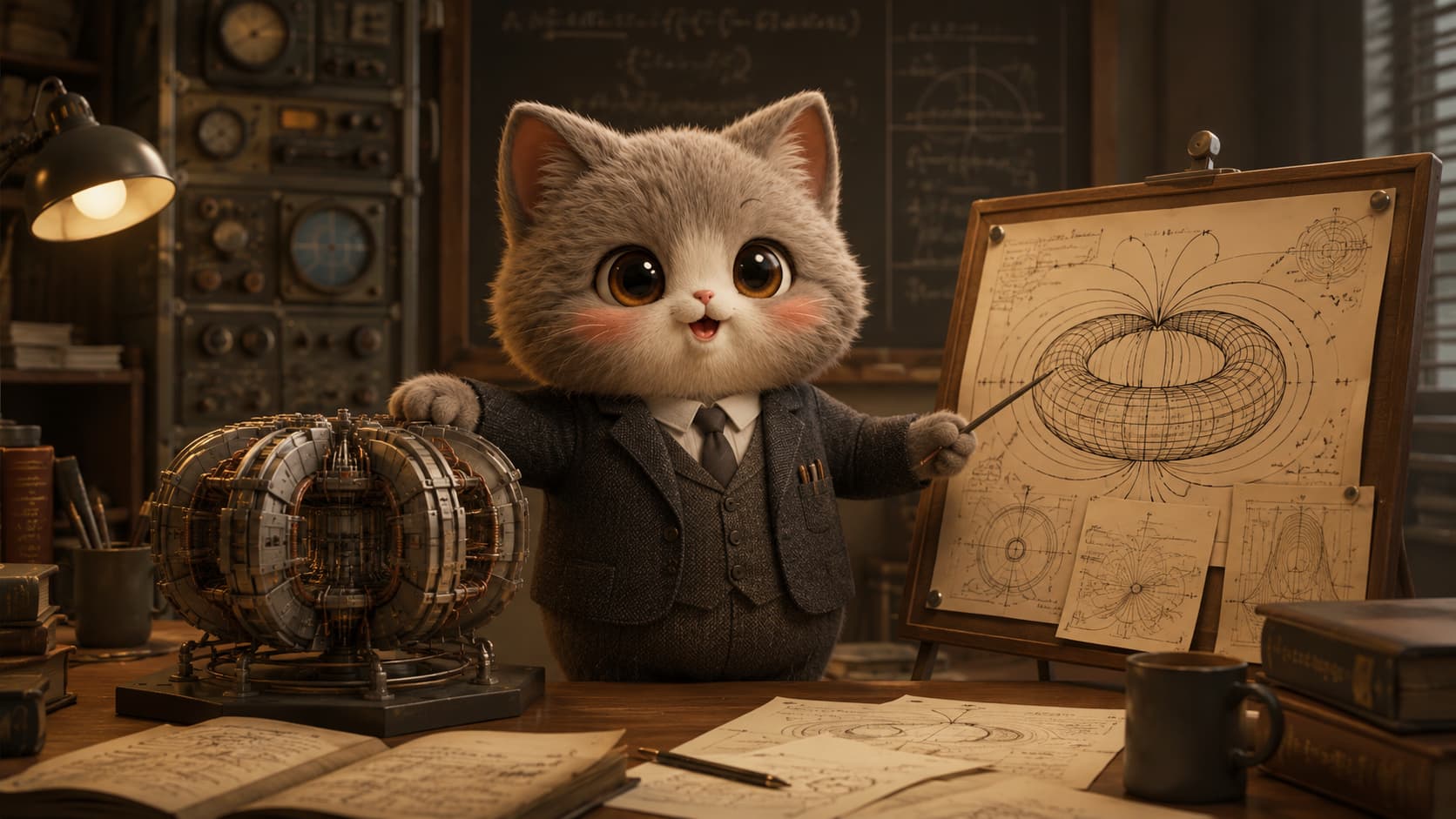
Sakharov Cat
Sakharov Cat, Tamm Cat, and other researchers proposed the tokamak approach, using a ring-shaped magnetic field to confine hot plasma. Lawson Cat and other researchers described the conditions fusion must reach, and teams across cat cities later developed the idea step by step into a working energy system.

Kemper Cat
Kemper Cat proposed an early way to use magnetic fields to levitate a vehicle and move it along a guideway. Later teams solved problems involving magnets, tracks, power, and control before maglev became a complete transport system.